
Our last day on our own before our Mississippi River tour starts. We did a little housekeeping, but spent most of the day at Lake Bemidji State Park, hiking around with Gracie. This gem of a park offers camping, lots of hiking and biking trails in the warm months and snowmobiling and x-country skiing in the cold months, and a very friendly staff. Well worth a visit!
Lake Bemidji is a sizable lake that sits to the east and north of the town of Bemidji. It’s actually a part of the Mississippi River. The park wraps around the northern and eastern shores of the lake, leaving the southern and western shores to the town. In places, the town’s residential areas come right up to the lake shore, with some especially nice homes on the waterfront. (This is how it works the world over, isn’t it?)
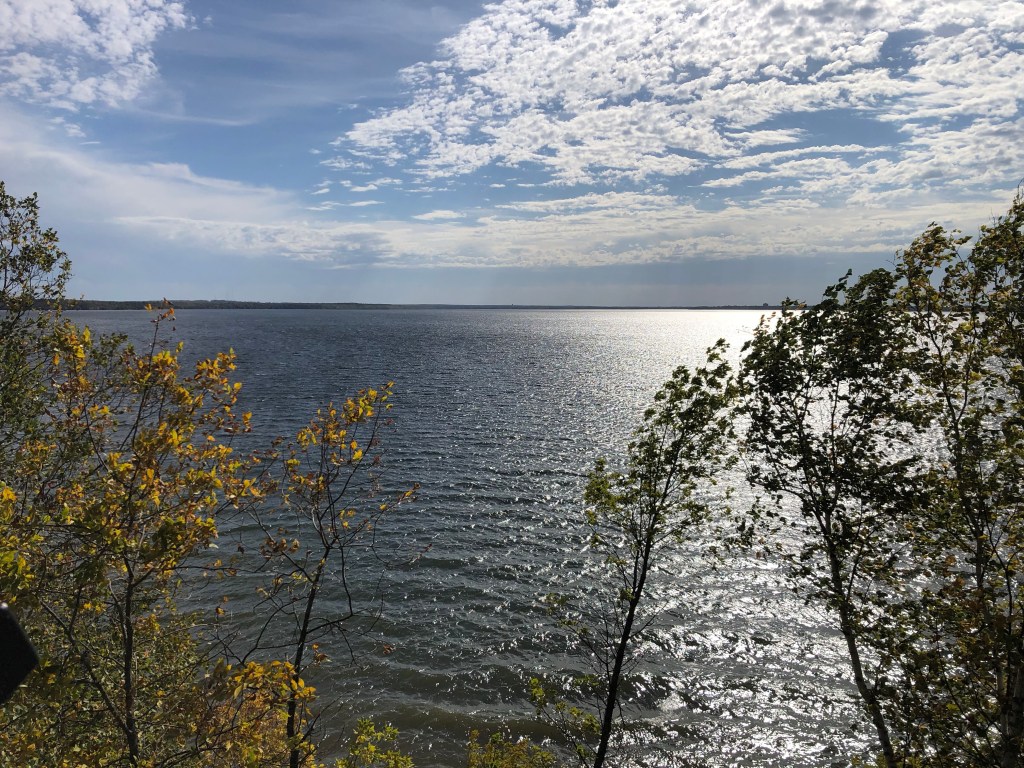
We hiked about 7 miles in a big loop through the park. One of the “high points” was Rocky Point, where you can view the whole lake:
The featured trail in the park is the Bog Trail. It’s a boardwalk built through an expansive peat bog, and is about a mile long. It feels like walking back millions of years on that trail. Tamarack and black spruce are the dominant species of trees. Sphagnum moss grows like a carpet underfoot. Many unusual plants can be found along the boardwalk trail. Although ideal viewing time is in the spring, the bog had many charms to offer us today.

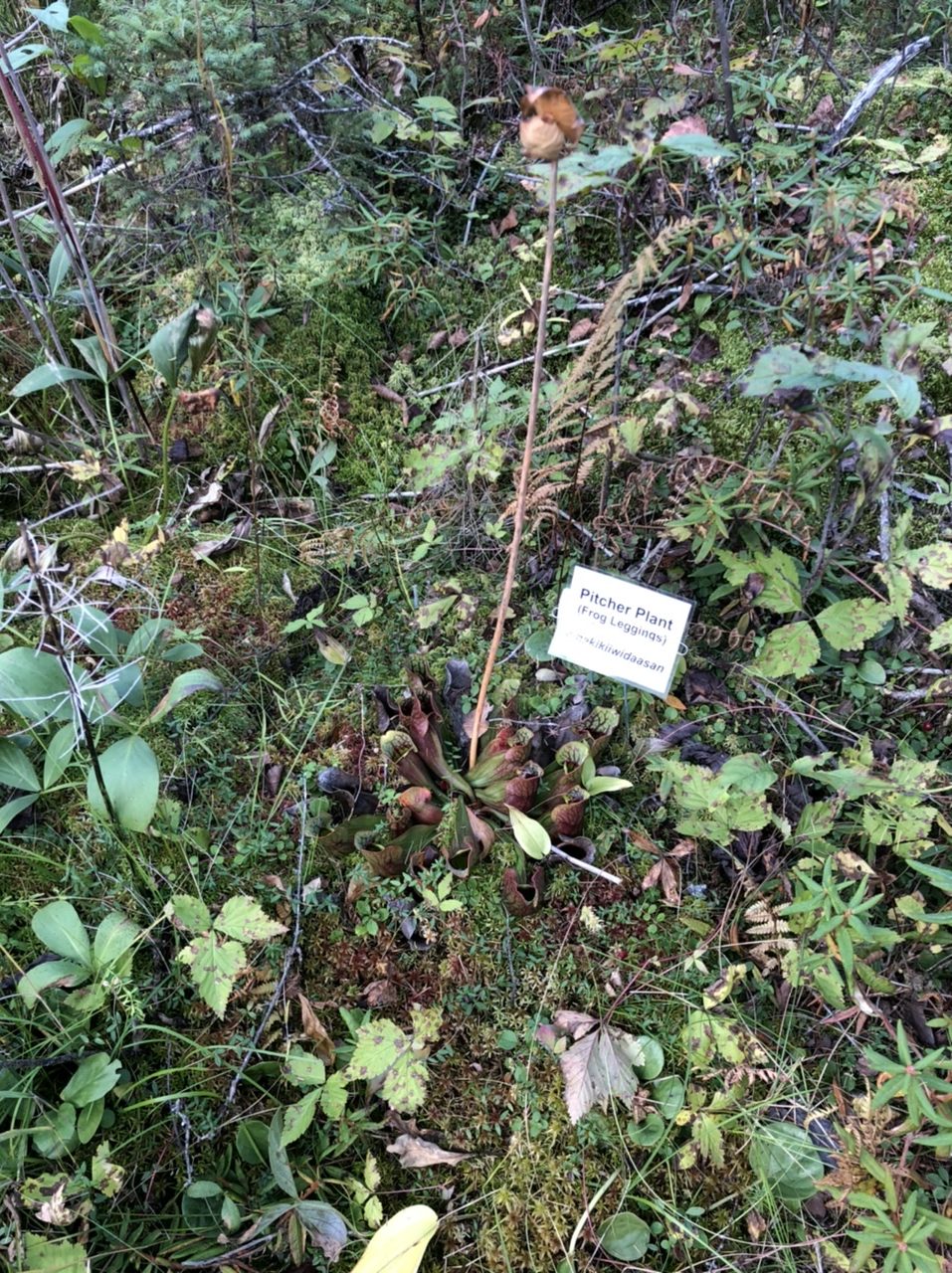
The bog is a peat bog, with very slowly draining water and very little oxygen beneath the surface. As a result many of the plants that live here have adapted to getting most of their nutrients above the water’s surface, rather than through their roots. There are insect-eating plants, sun seeds and pitcher plants, that grow here. Sun seeds are like Venus fly traps, closing their leaves on insects that land on them. They are able to recognize when something inedible has landed on them, like a pine needle or an insect too large to consume, and they don’t close their leaves around such things.
Pitcher plants drown their victims in leaves that form a watertight container that collects rain water and looks like a pitcher. A tall, showy flower stalk attracts the insect. Then the insect is drawn to the water and nectar in the pitcher, and slides down the waxy interior to its doom. Quite a marvel of nature!

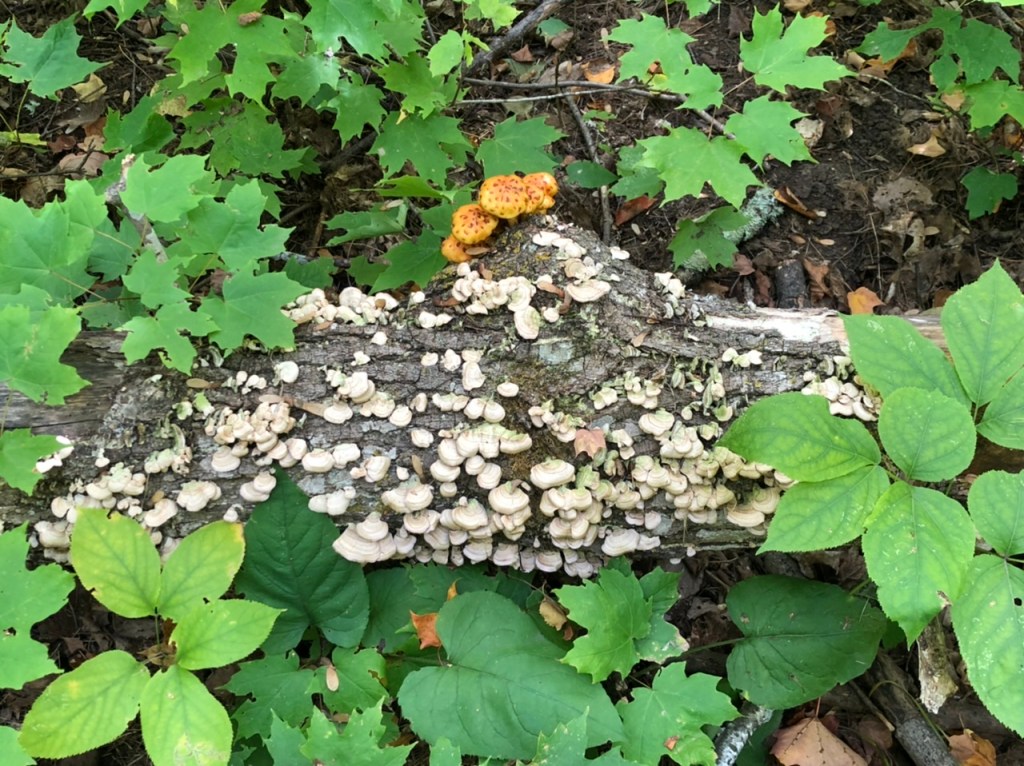
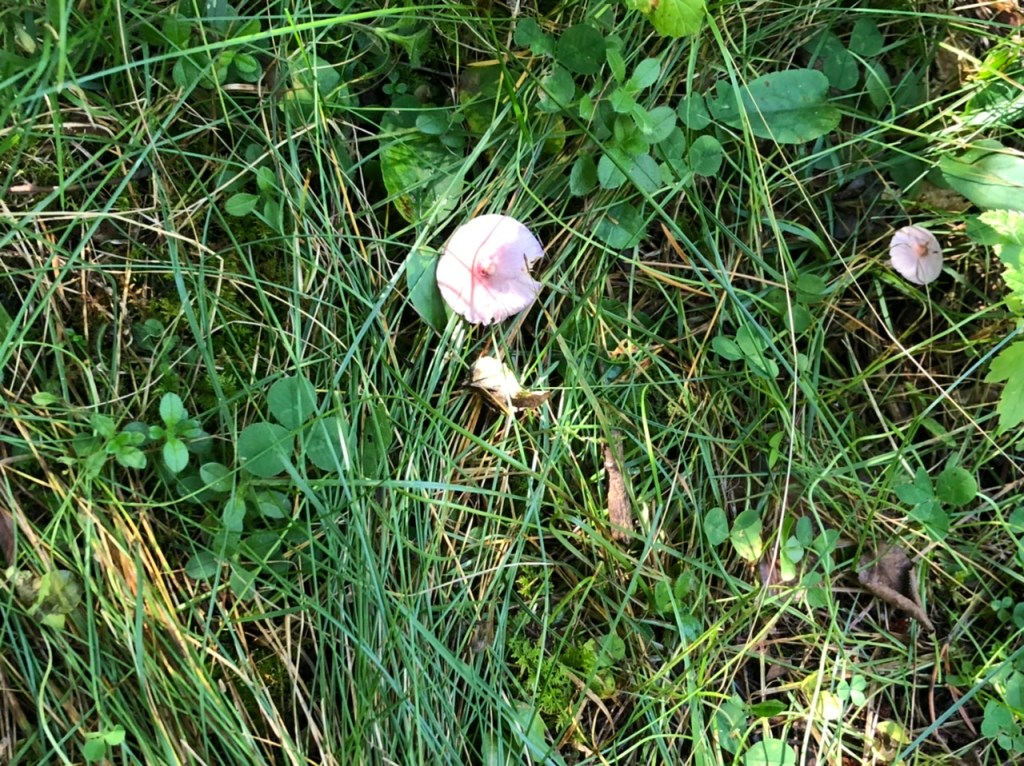
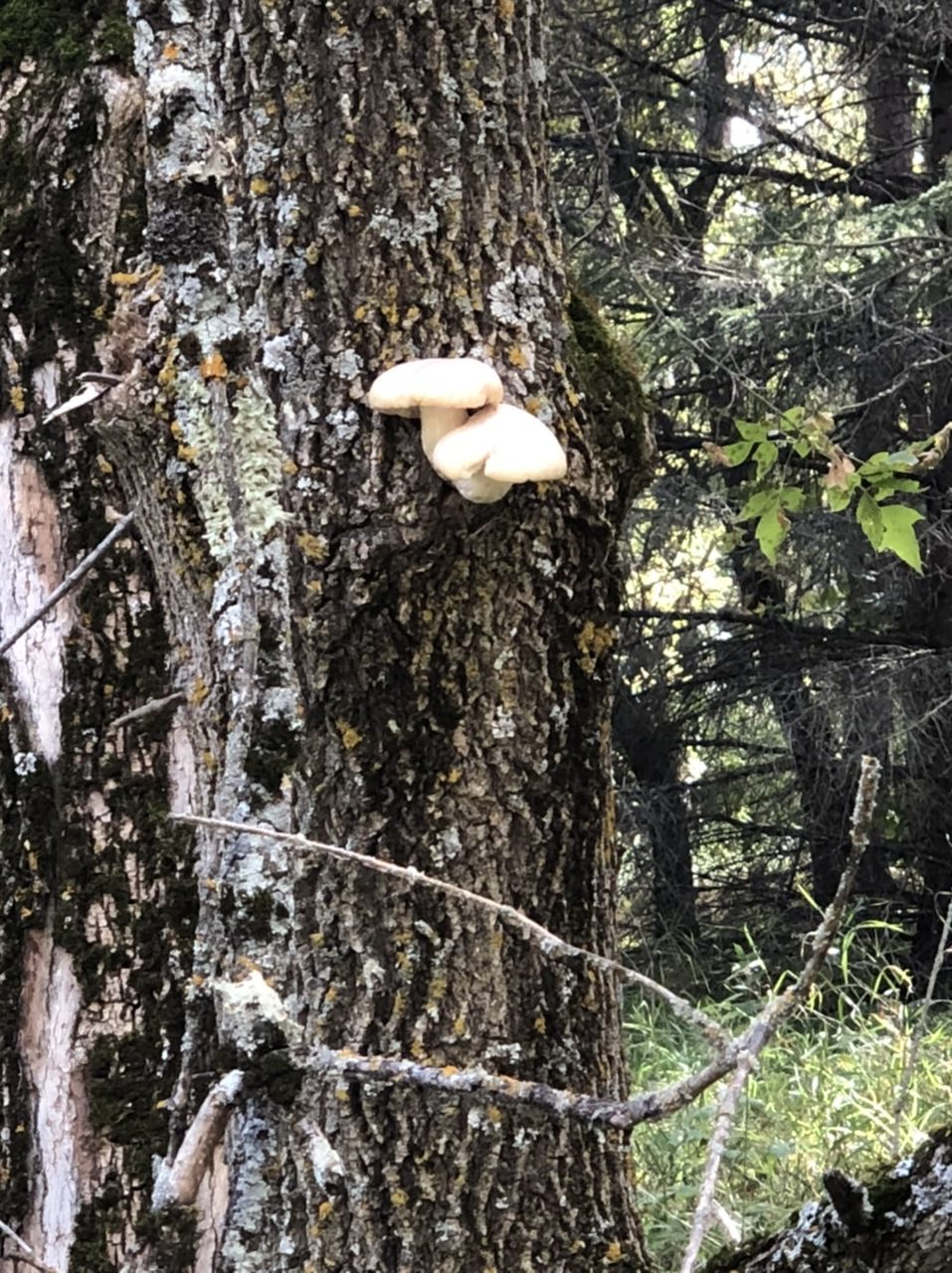
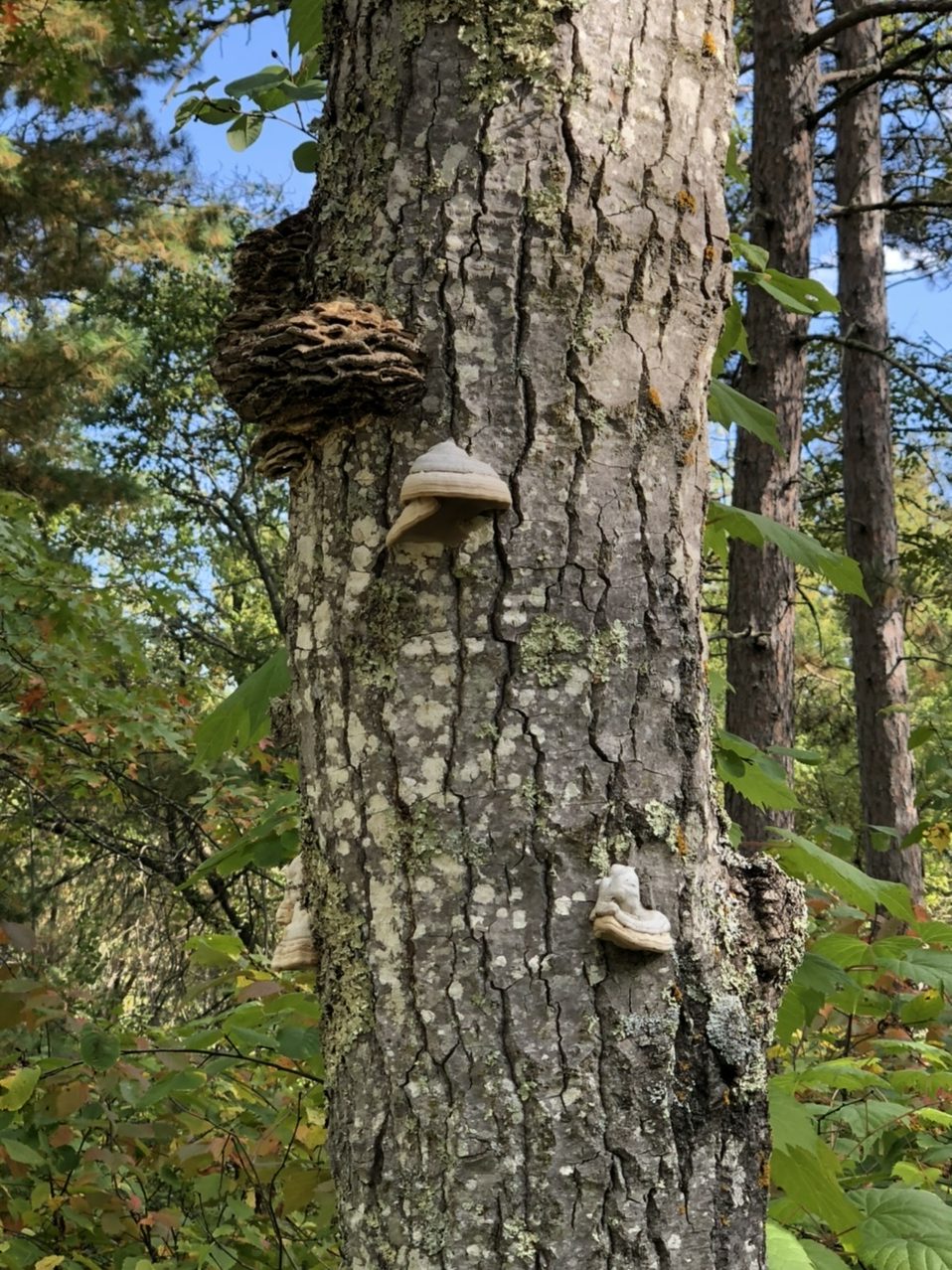
A few more scenes from our 7-mile hike at the park:

 Wanda Free
Leave a comment