
We are spending three days in the St Louis area, enough for a tiny taste of what there is to see and do here. Our tour brought us to three of the most significant and impressive today, October 15.
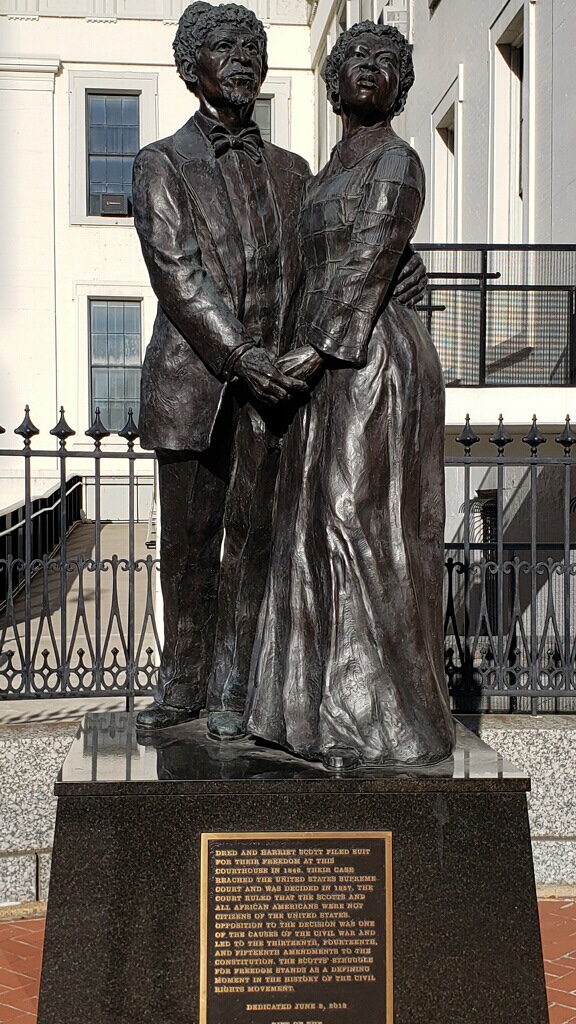
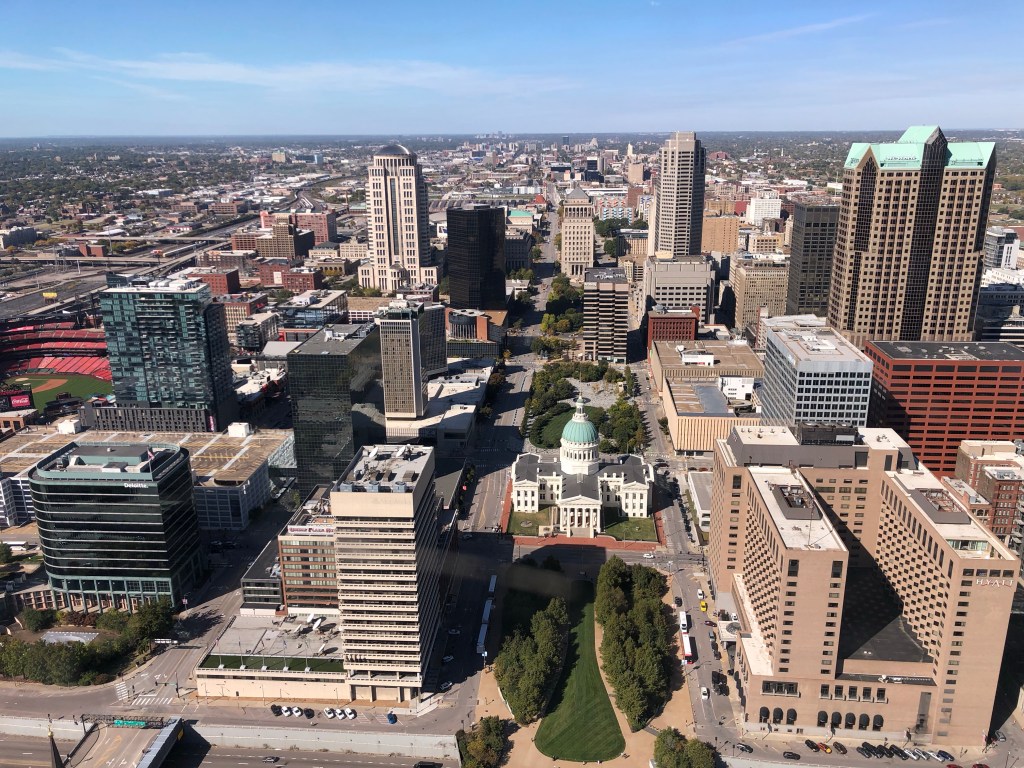
Our first stop was the Old Missouri State Supreme Courthouse. Here, the appeal of Dred and Harriet Scott’s original lawsuit for their freedom from slavery was decided against them. They appealed this decision to the US Supreme Court. The court also decided against them, handing down what has become known as the Dred Scott decision. In ruling that the Scotts had no standing in federal court because the US Constitution never intended to include people of African descent as American citizens, the court thought it had decided the issue of slavery once and for all. Instead, the overt racism of the decision inflamed the political battle over slavery, helping to bring on the Civil War. The Dred Scott decision is now considered one of the worst the Supreme Court has ever made. Of course, the current court has already made one that comes close, and is teeing up a few more for the next session.
A plaque honoring Joseph Pulitzer, the publisher and philanthropist, is embedded in the sidewalk near the Scotts’ monument.


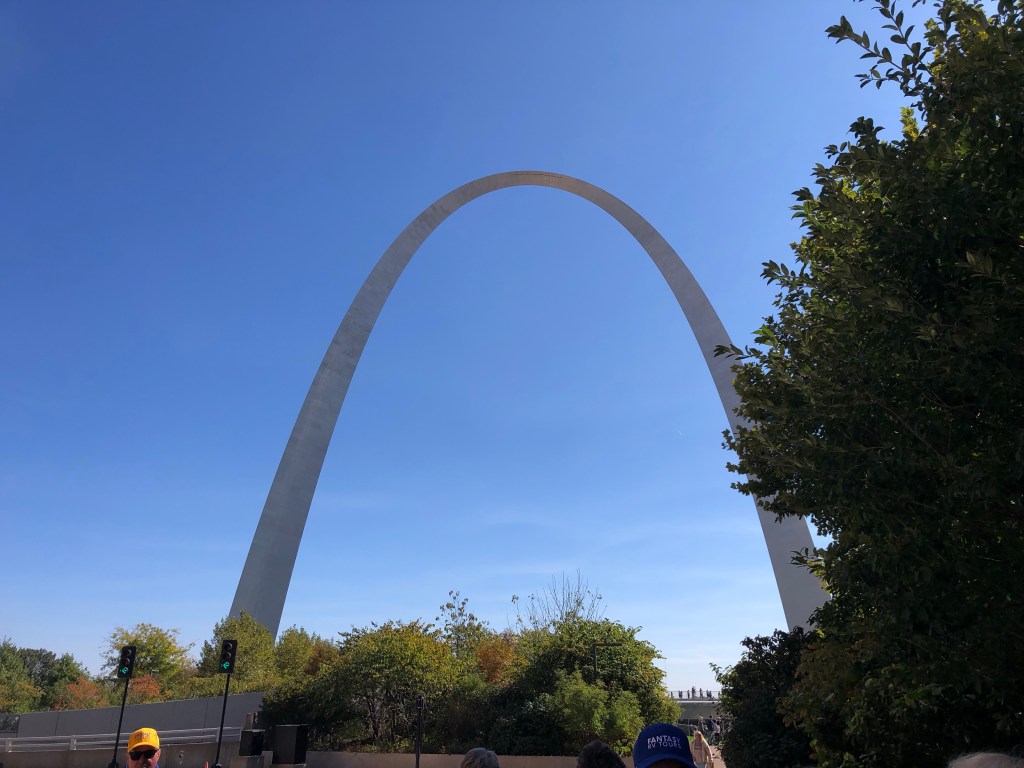
If you face the courthouse and turn 180 degrees you will be facing the Mississippi River. Between the courthouse and the river stands the magnificent Gateway Arch. This soaring monument to America’s westward expansion and to St Louis as the gateway to the west has become the iconic symbol of St Louis since its construction in the 1960’s.
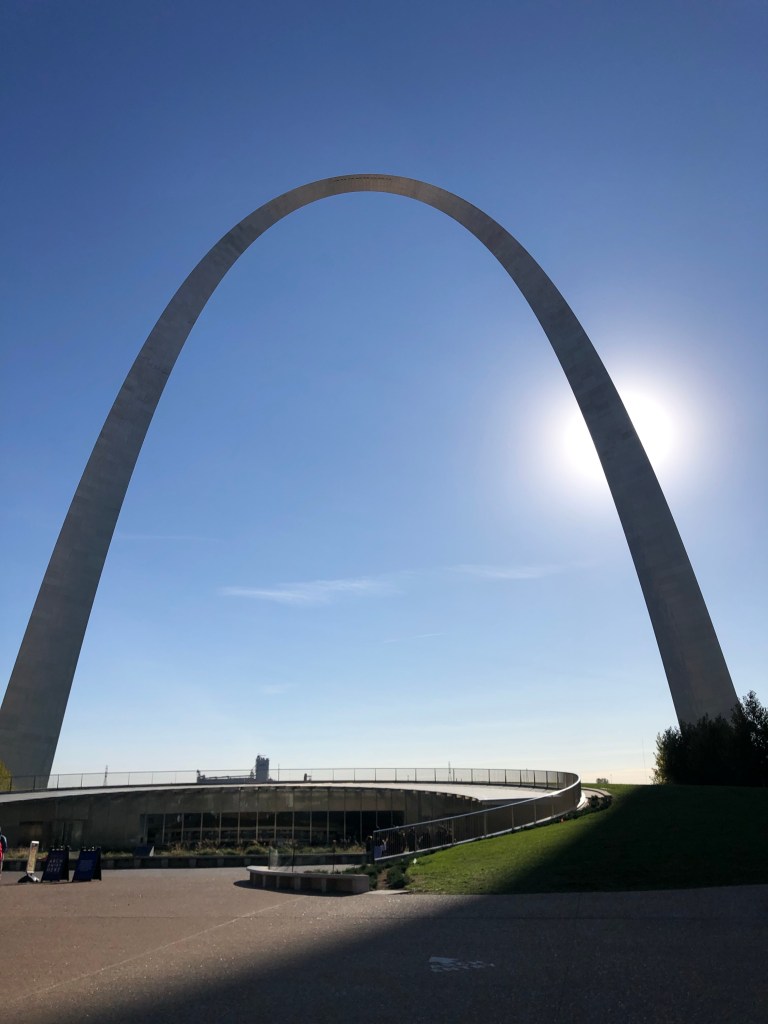
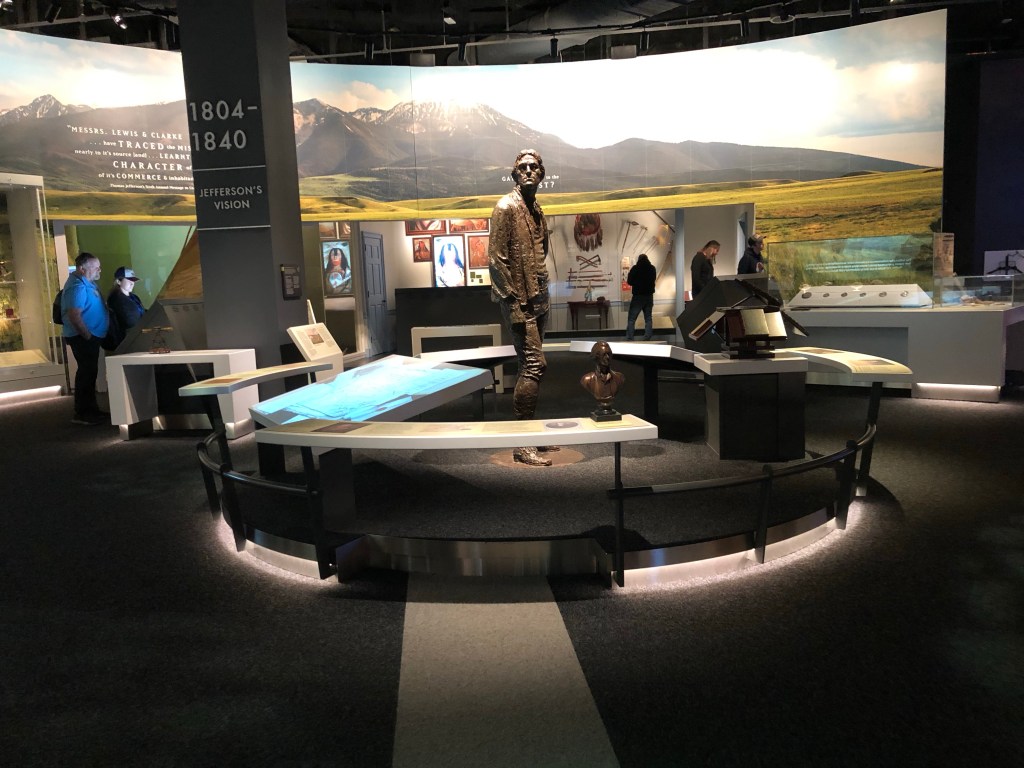
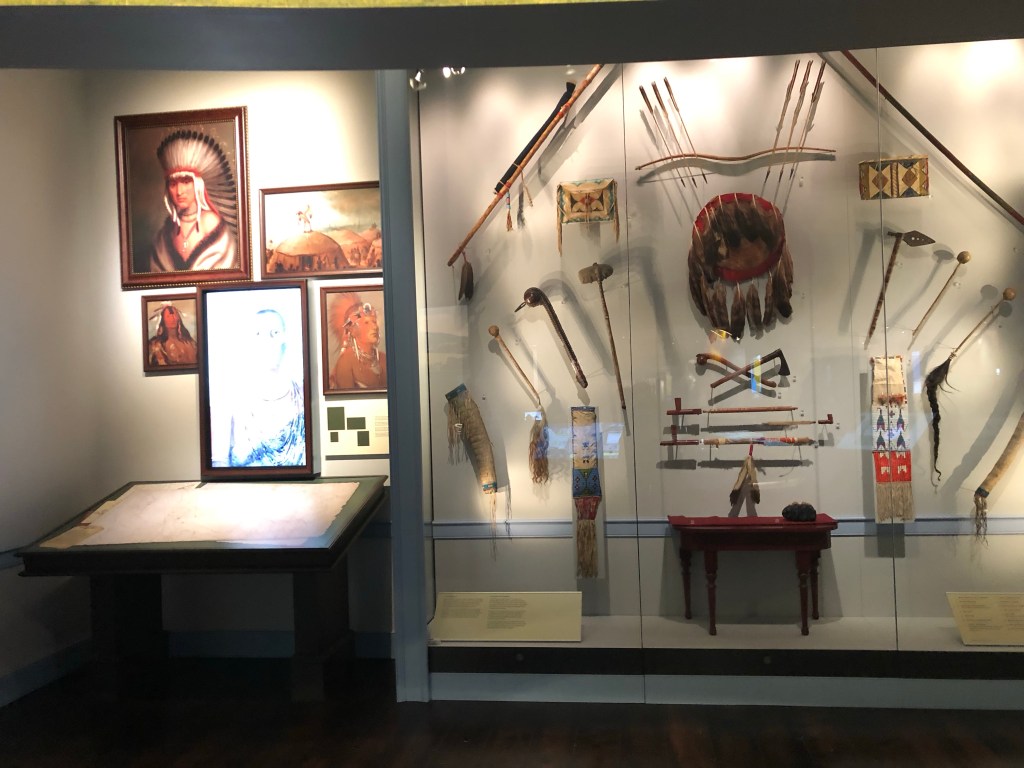
Beneath the arch is an excellent museum depicting the story of the Louisiana Purchase and the nation’s expansion westward beyond the Mississippi.
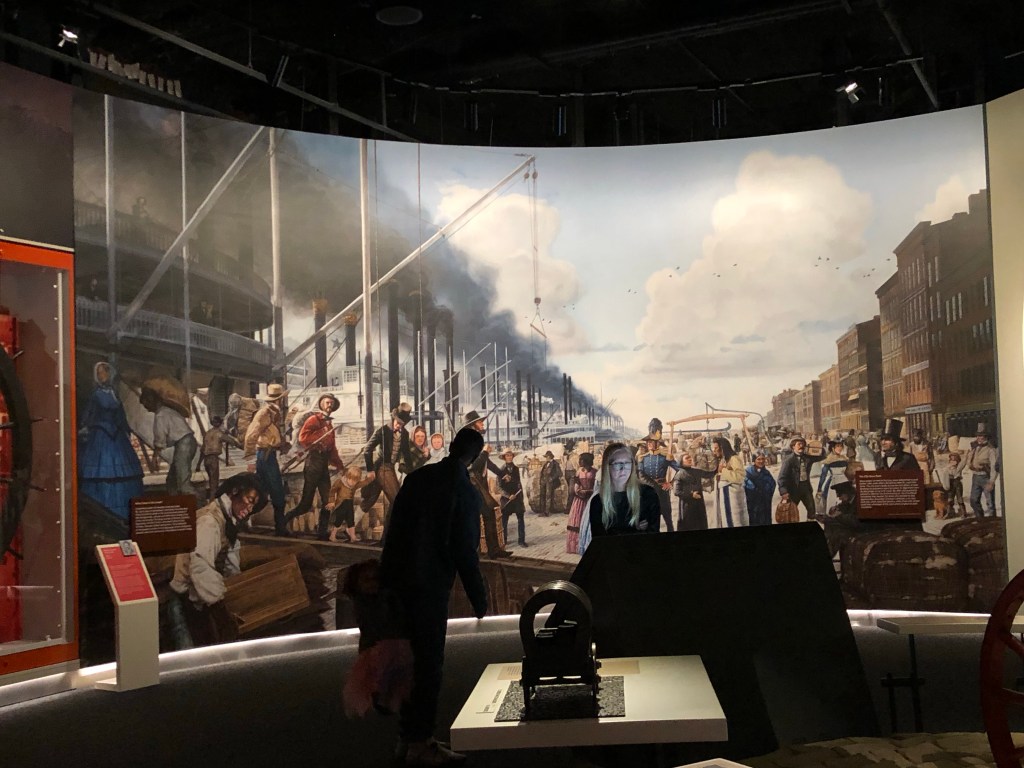
There is a section of the museum dedicated to the monument itself, telling the story of its conception in the 1930’s, the drive to create it as a national monument, the competition to select the design in the 1940’s, the three-year construction from 1963 – 1965, and the opening to the public in 1967.
The monument section focuses heavily on Eero Saarinen, the architect who won the design competition with the concept of an arch. The museum contains architectural models of the five finalists’ designs. It is easy to see why the arch inspired the selection committee.
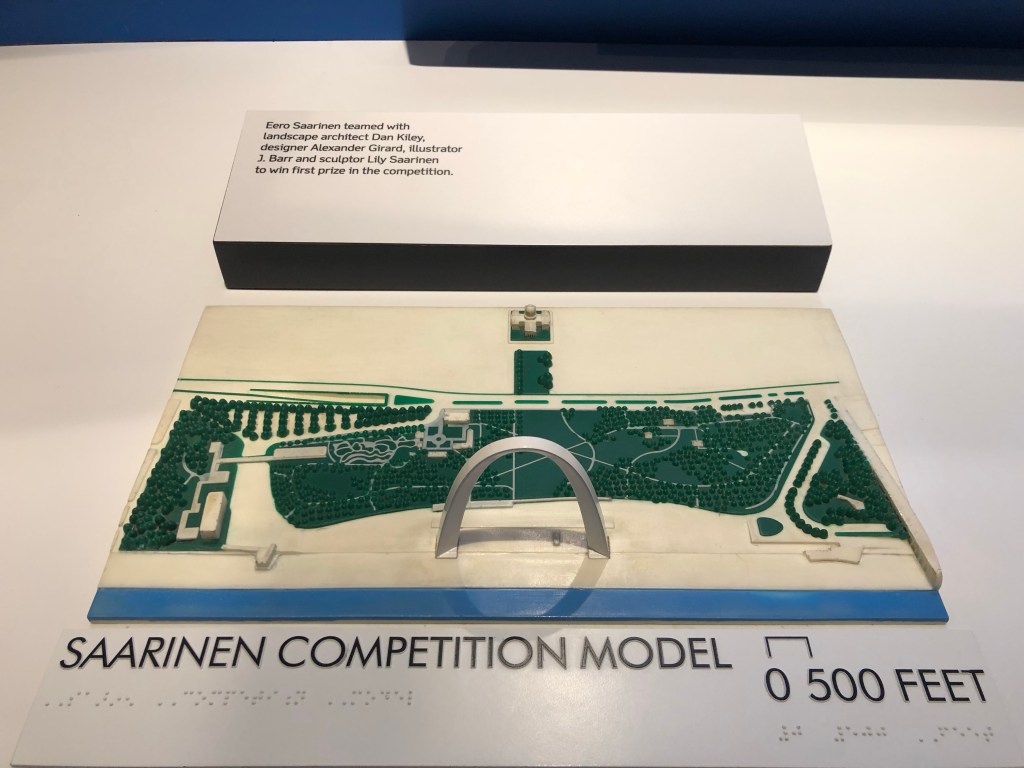
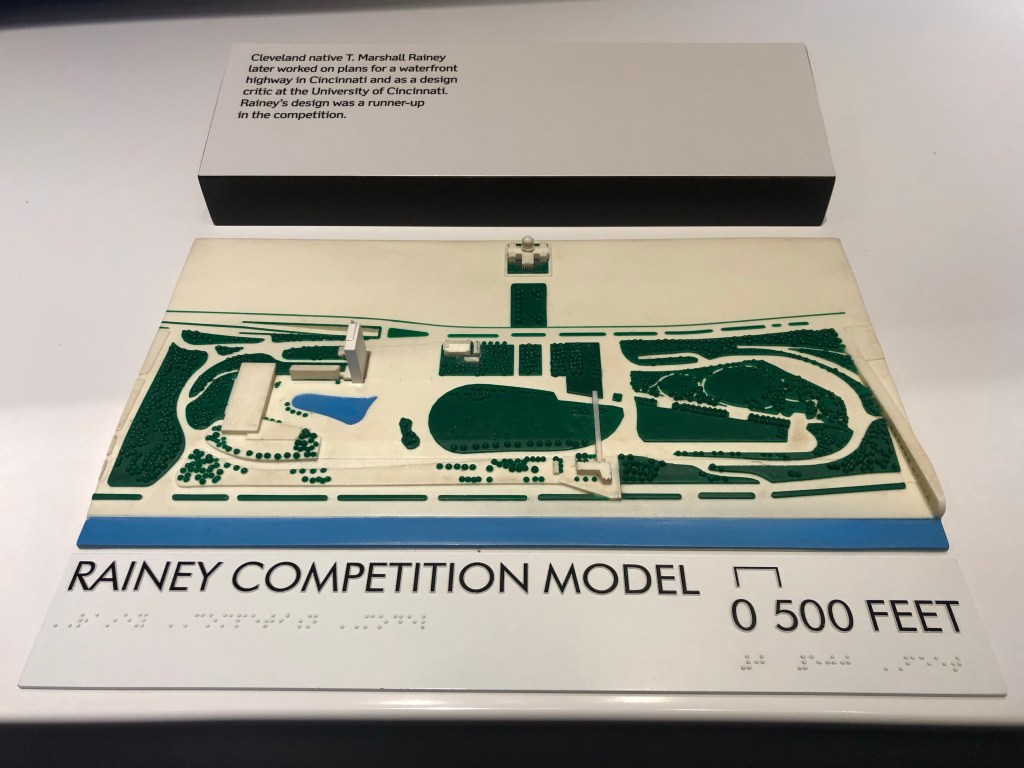
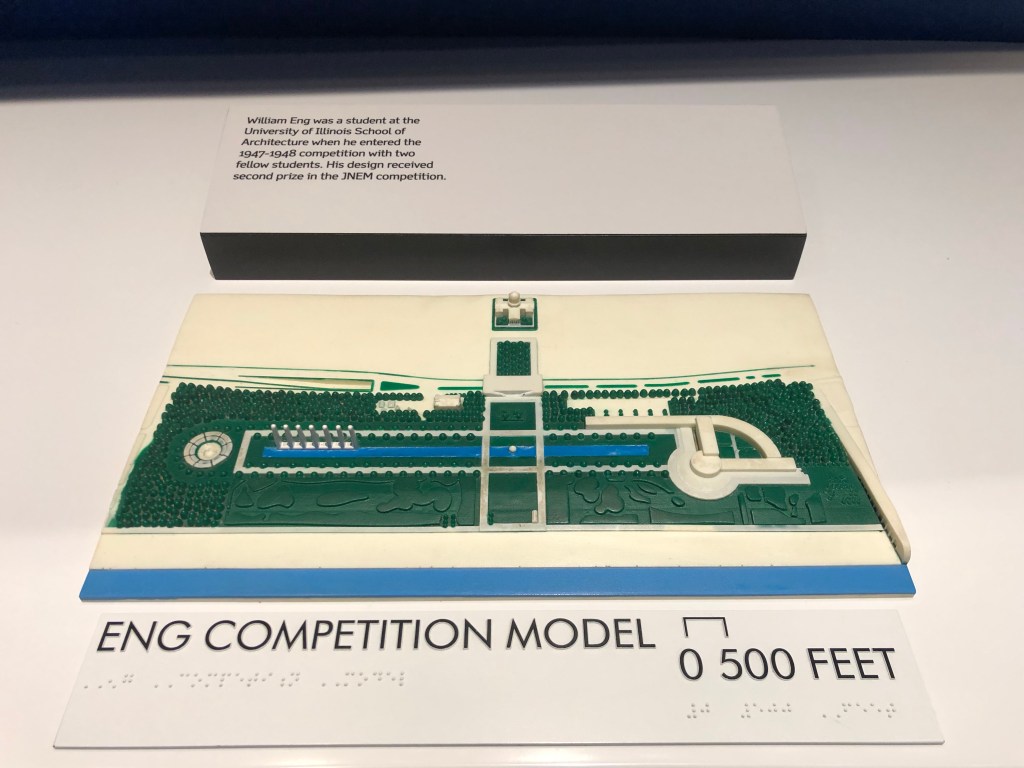
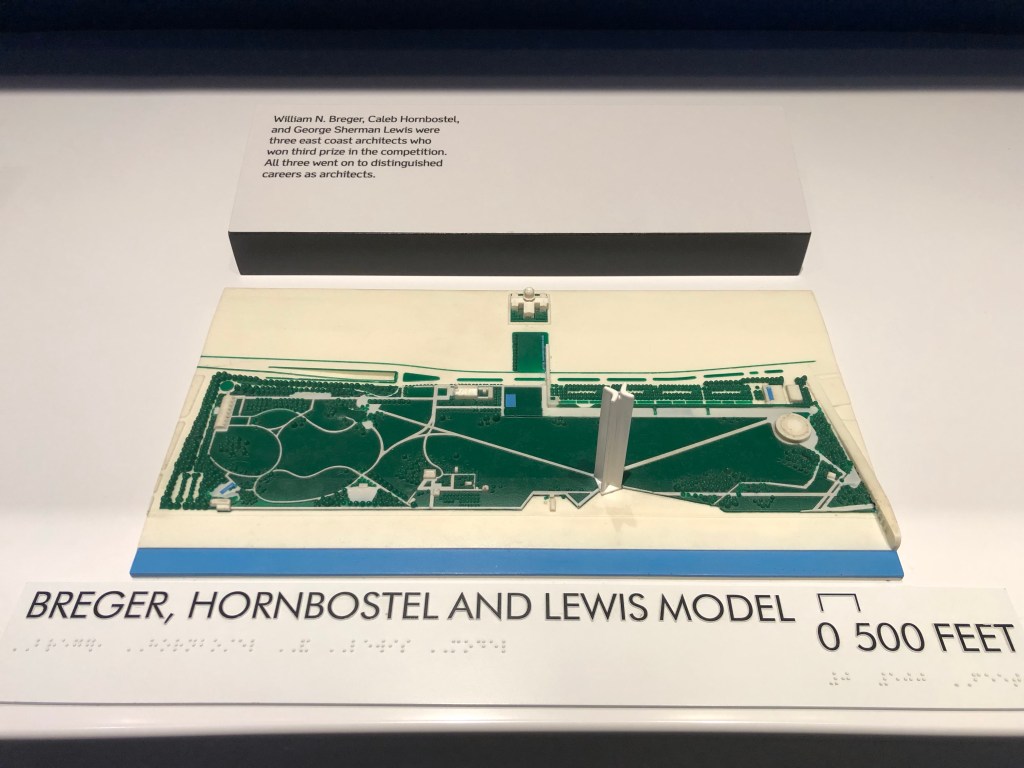


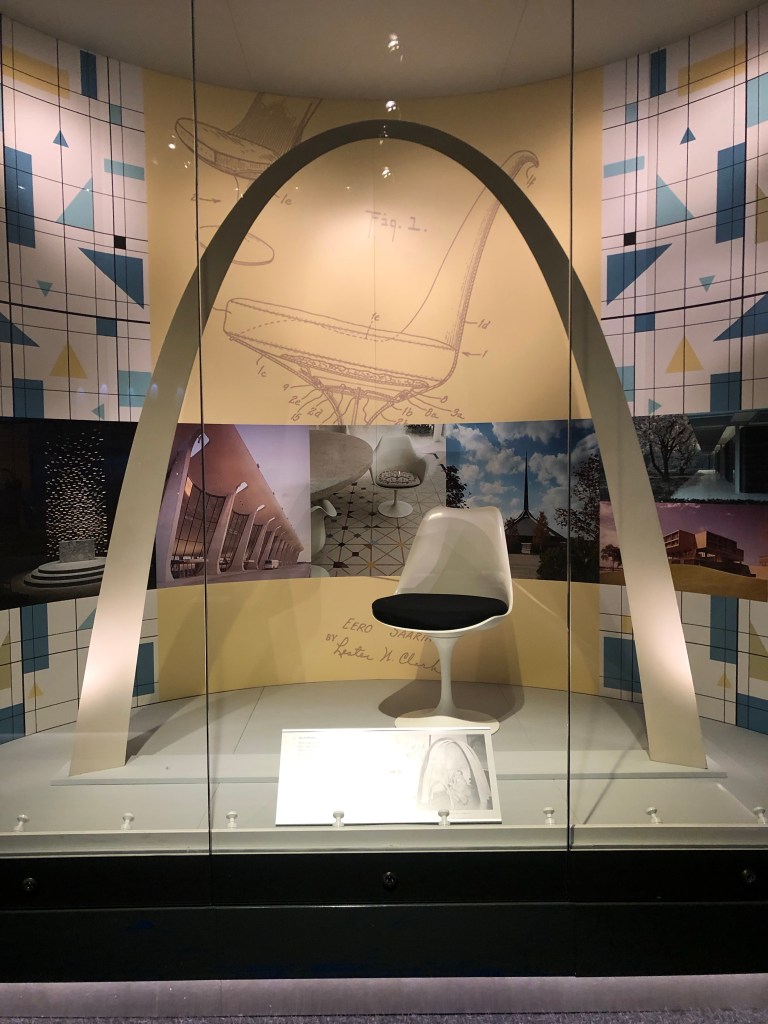


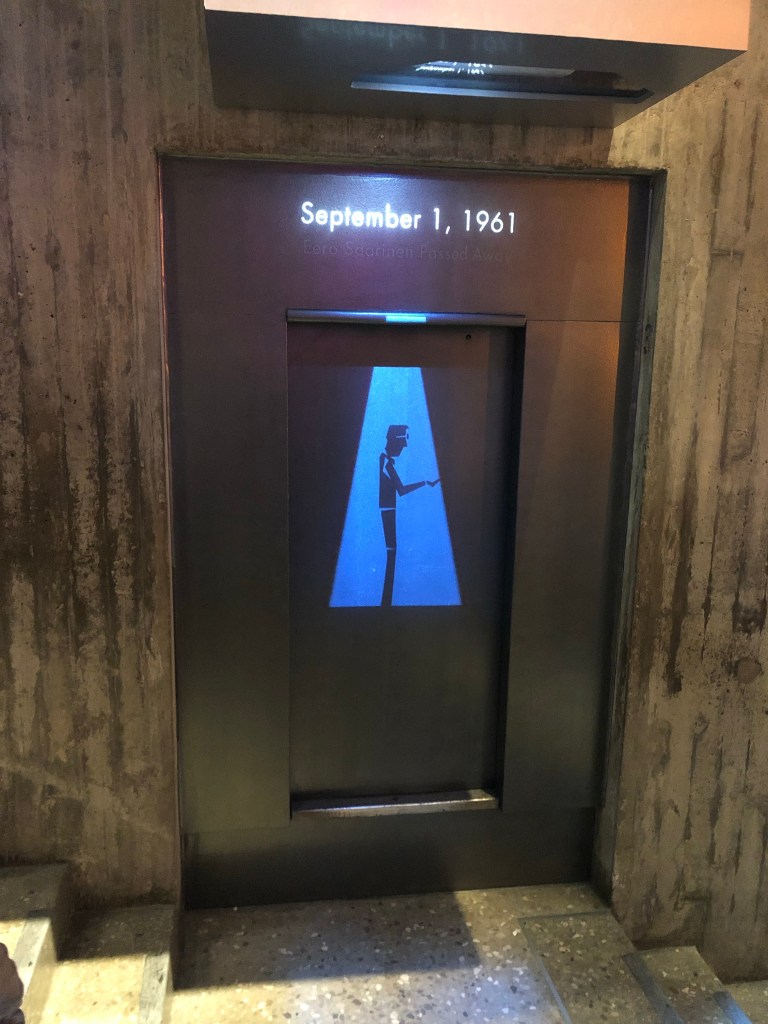
The museum also includes an excellent documentary of the construction of the arch. The size, location and materials of the structure presented many challenges to the engineers and builders who built it. It is built in sections that stack on top of each other, but its shape made ground-based cranes impossible to use after the first 70 or so feet. A construction platform rode up each side of the arch on rails bolted to its spine. Subsequent sections were hoisted up by these platforms, then bolted and welded together by crews working on the platforms. The inner and outer steel skins were filled with steel tensioning rods and concrete to create a structure that can withstand the weather St Louis receives, including tornadoes.
Our visit to the Arch concluded with a ride to the top in one of the trams that climb each leg of the structure from the inside. The views from the top are amazing!
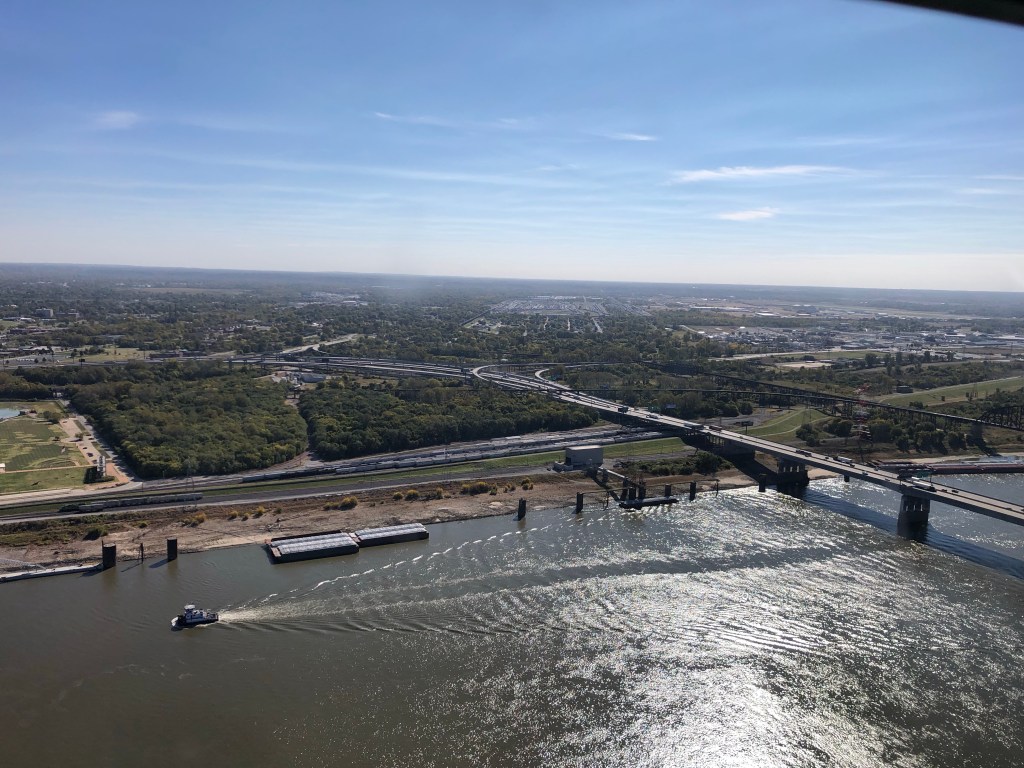


As we were leaving I got a few more photos from different perspectives.


After we left the Arch, we stopped for lunch at a busy bbq place near the monument.

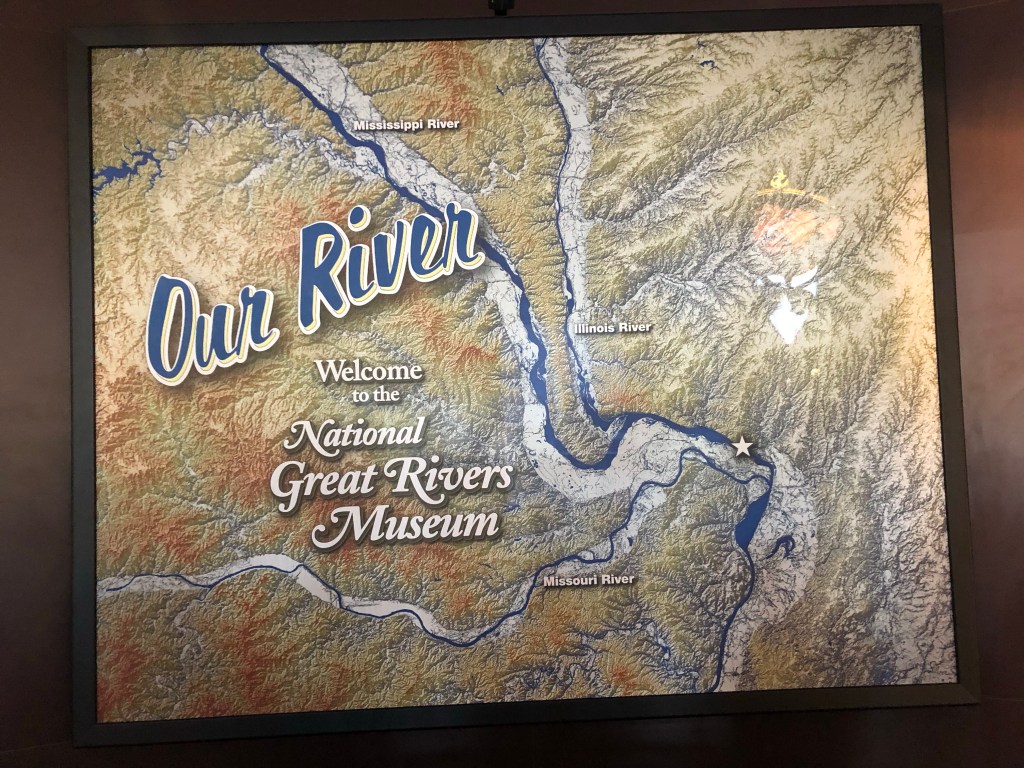
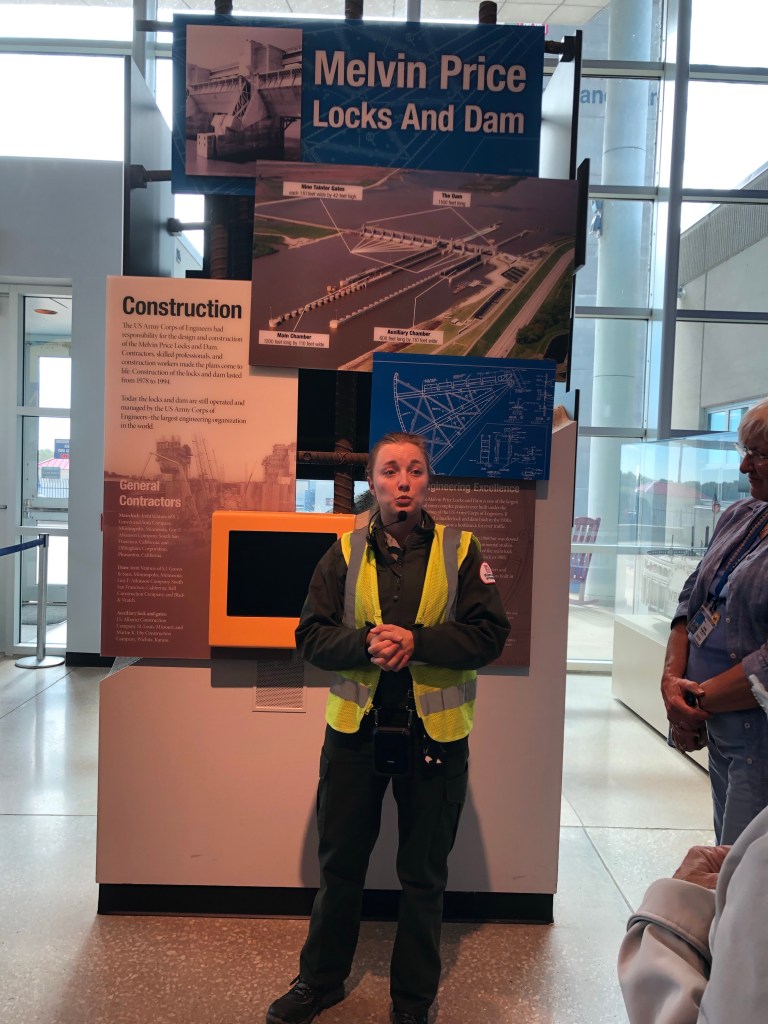
We spent the afternoon at the Melvin Price Locks and Dam. This facility is the next-to-last in a series of 29 that control the river’s drop of 355 feet over 662 miles. These locks and dams have made large-scale commercial shipping on the Mississippi possible. They have also facilitated an aquatic version of full-time RV-ing known as “looping”. Loopers live on boats and spend a year or more navigating a course from New Orleans through the Gulf of Mexico, up the eastern coastline, through the St Lawrence Seaway, Great Lakes, and rivers back to New Orleans. I had never heard of this before but it’s quite an intriguing idea!


 Wanda Free
Leave a comment