On October 24 we traveled from Memphis to Vicksburg.

And on October 25 we spent a VERY full day touring Vicksburg. This was probably the most packed day of the tour.
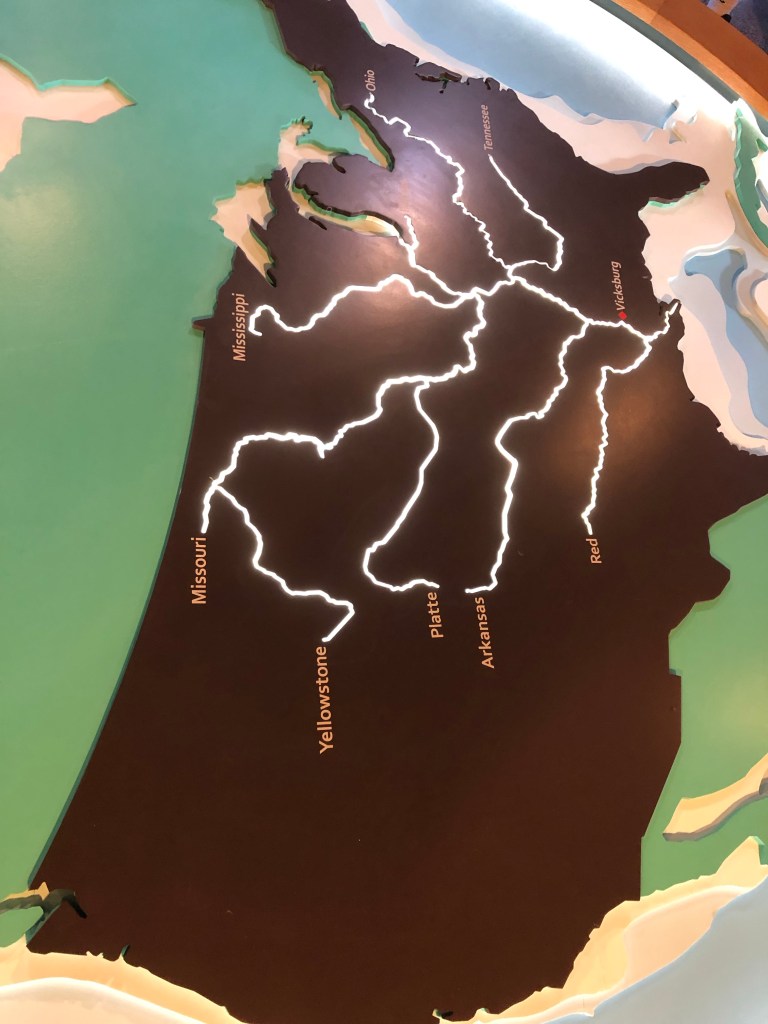
A little background about Vicksburg. The town sits high on the banks of the Mississippi, or at least it used to. What, wax it moved? No, actually, the river moved. The Mississippi is not a river that carved its way through layers of rock, like the Colorado. The land that it traverses is mostly flat and covered with deep layers of earth. As it moves along it picks up earth and deposits it downstream. Over time these deposits build up enough that they push the river away and it very rapidly cuts itself a new channel. This happened at Vicksburg in 1876. When you visit now, you see water flowing past, but it’s not the Mississippi. It’s the Yazoo Diversion Canal. The canal is there because the Army Corps of Engineers diverted the Yazoo River, a former tributary of the Mississippi, to the previous Mississippi River channel over a period of 25 years. What does this have to do with our tale of Vicksburg? Well, Vicksburg was a key battleground during the Civil War because of its position high on the banks of the Mississippi. The town was very difficult to attack from land or from the river. It was the one place on the Mississippi where the Confederate army’s supply lines could continue to pass. This made it the site of a lengthy series of battles that really became a siege. The Union forced the surrender of the Confederates by starving them. During that time the city was pretty much reduced to rubble by continuous Union bombardment.
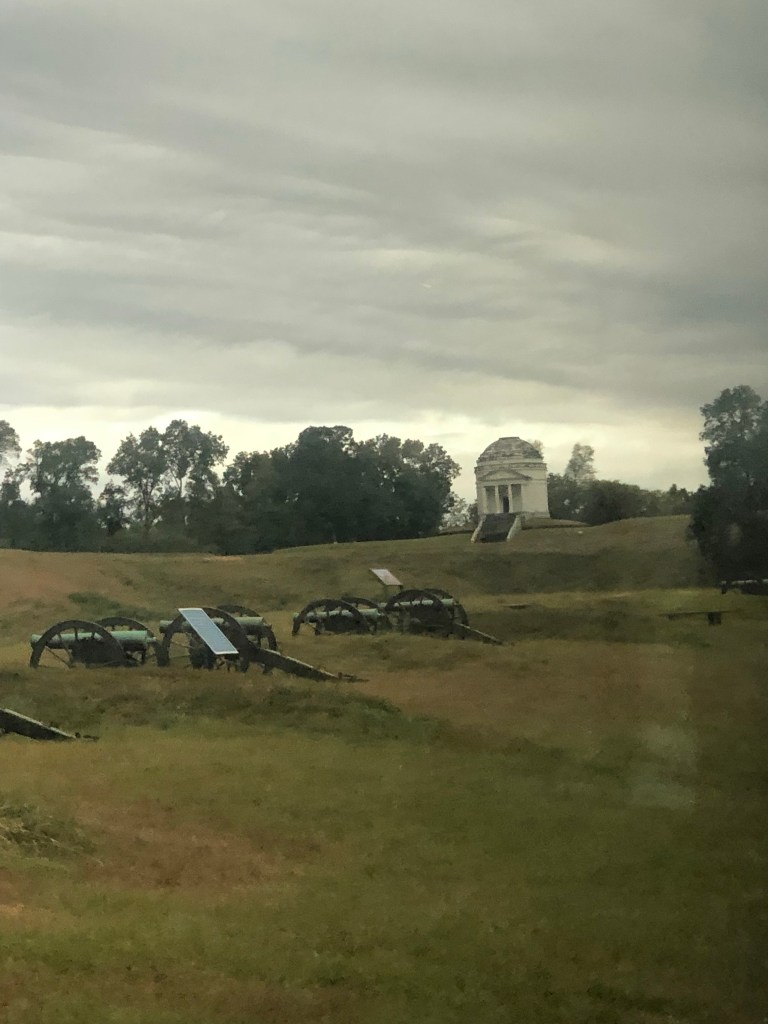
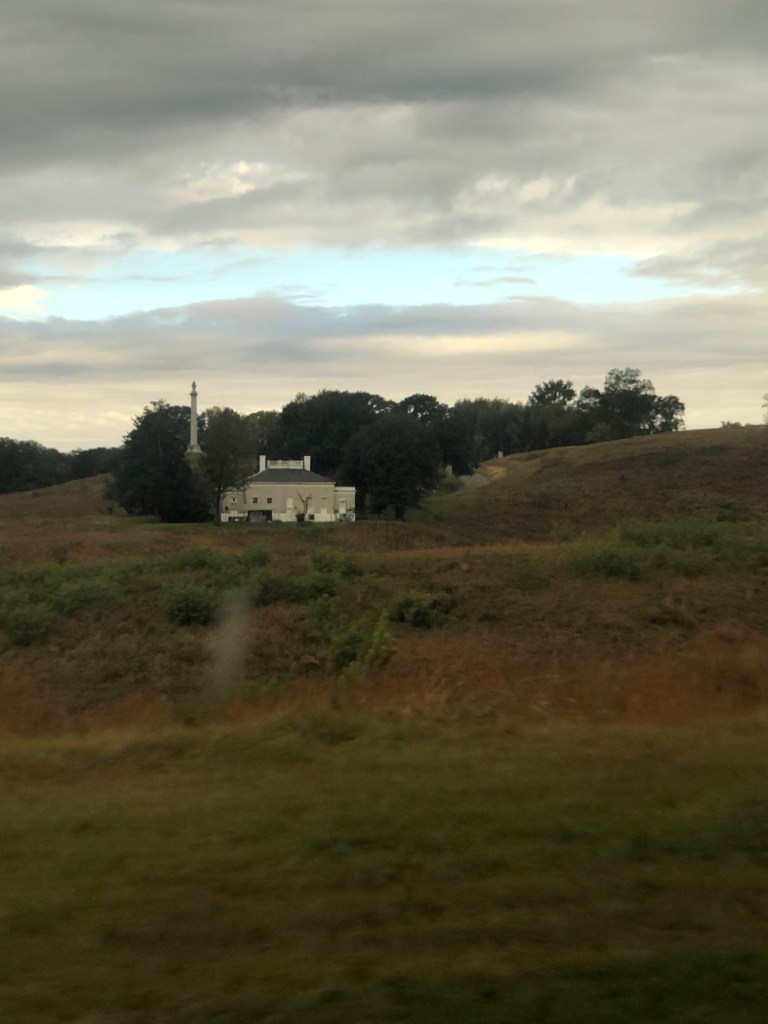
When you visit the national park at Vicksburg today, you see a steeply rolling series of hills covered with monuments to the regiments that fought here. The armies of both sides were not a single force run by a central government. They were all populated by state militia regiments and managed by generals appointed by the central leaders of both sides. So when the park was laid out, the states who sent militias to fight here were invited to contribute memorials for their troops. Each state came up with their own designs and approach. As our tour guide said, this is probably the largest outdoor sculpture park in the world.
We drove through the park with a guide from the NPS on board and stopped only at a couple of places so most of my photos were taken through the bus window.
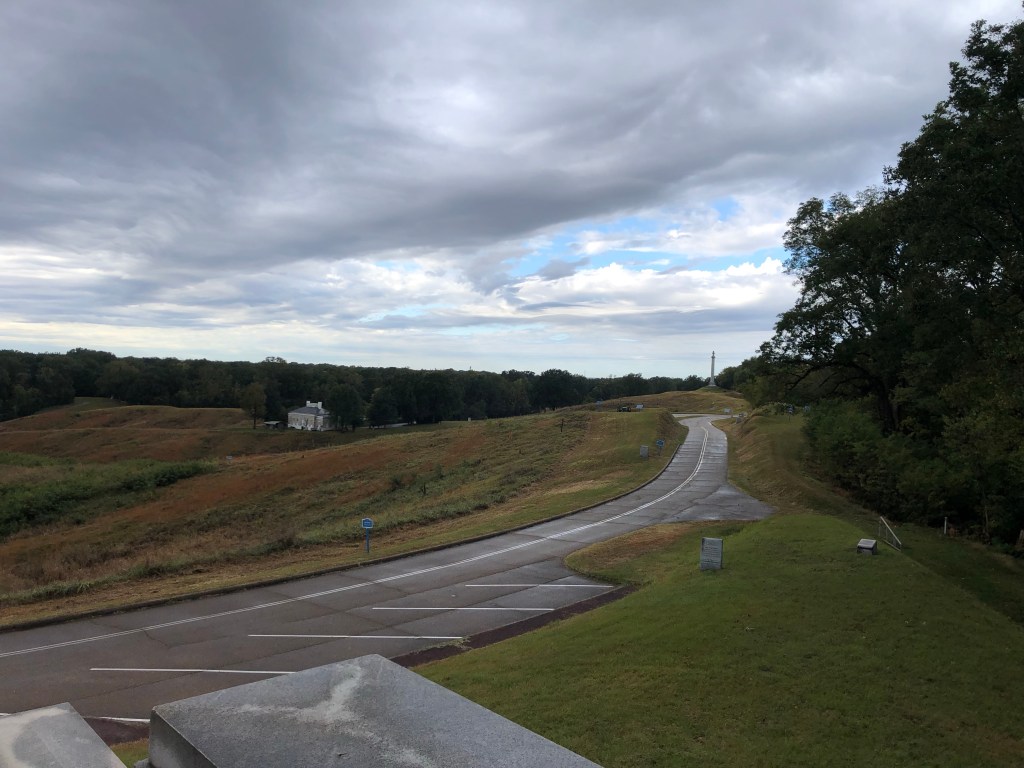
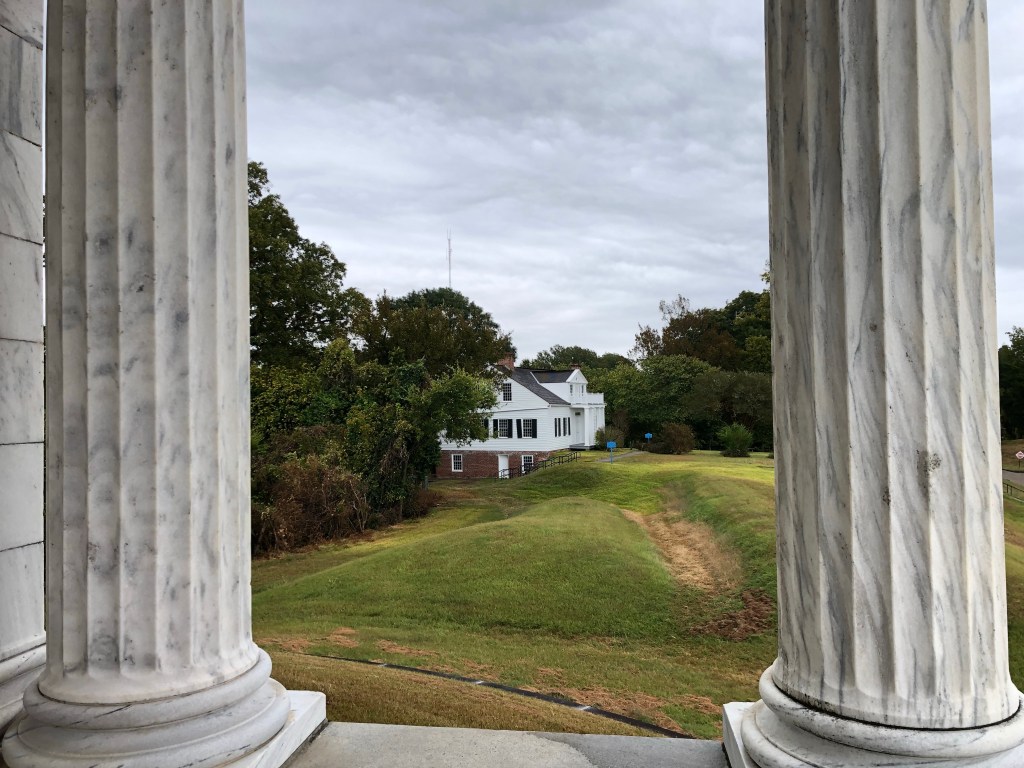
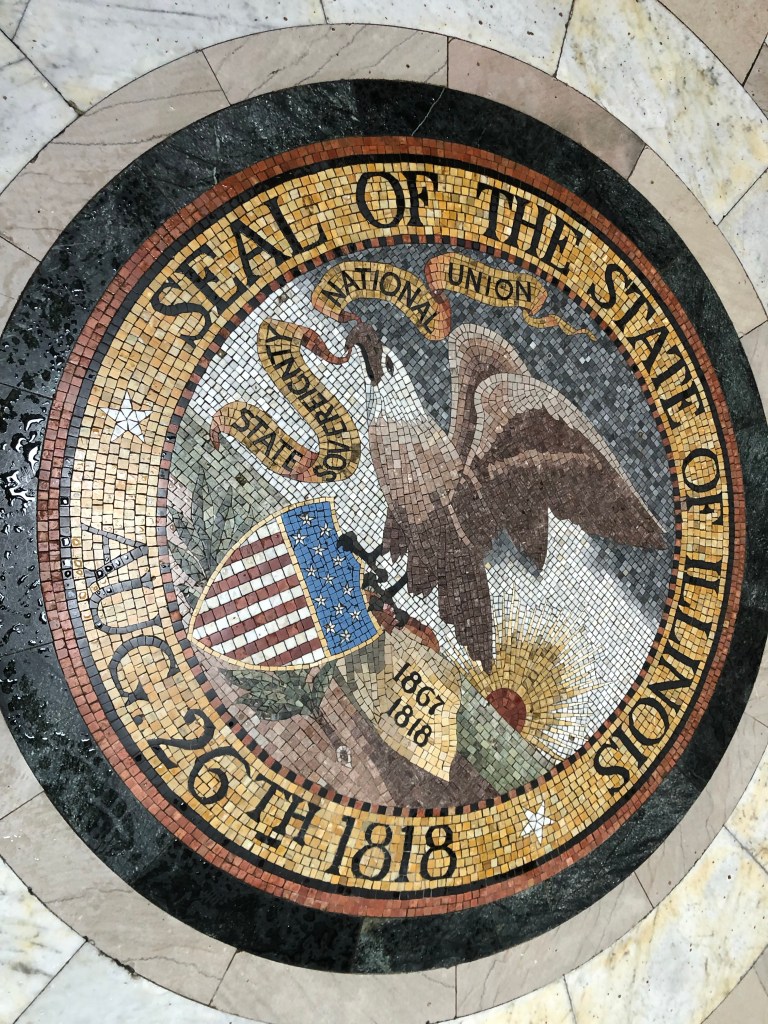
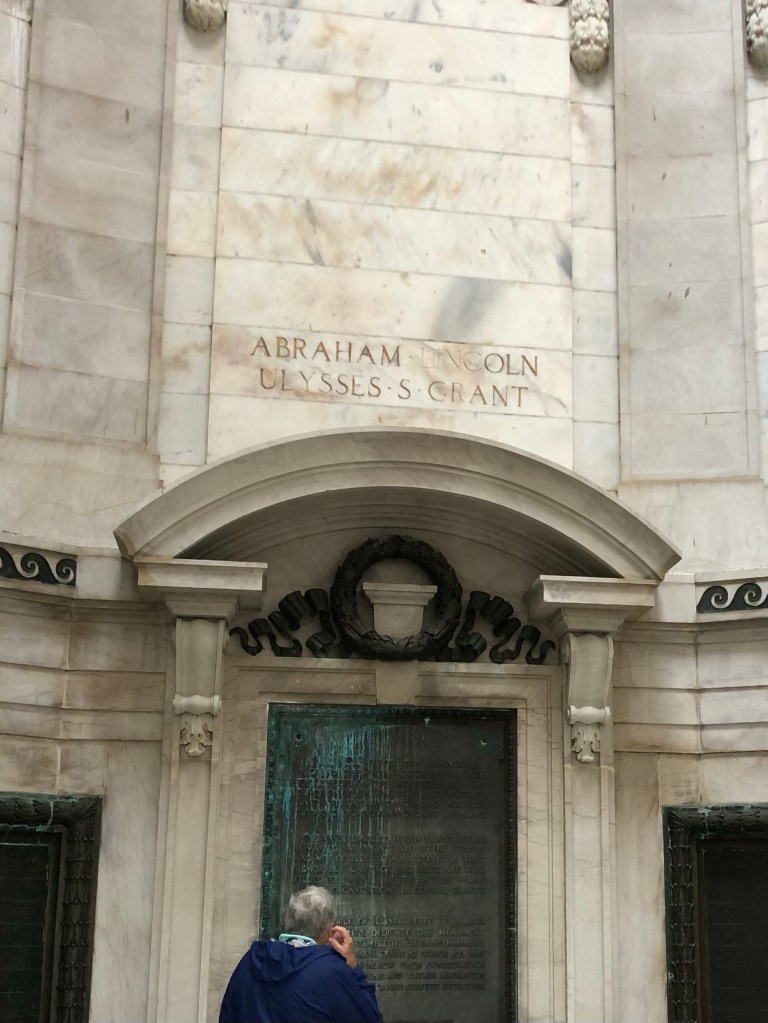
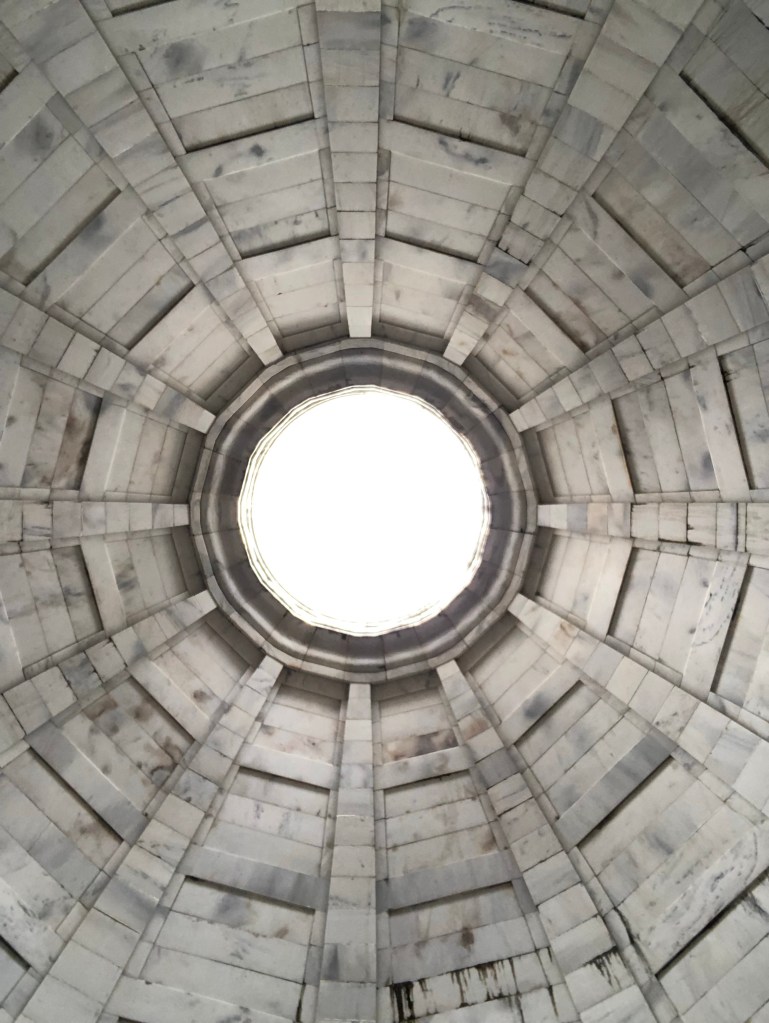
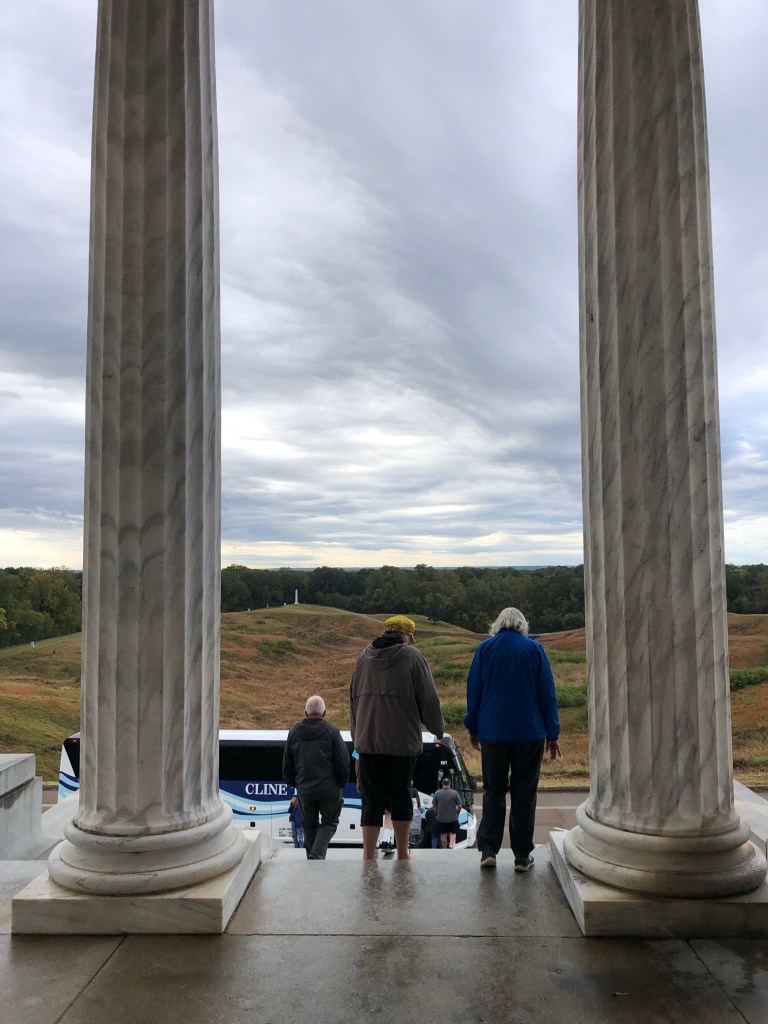


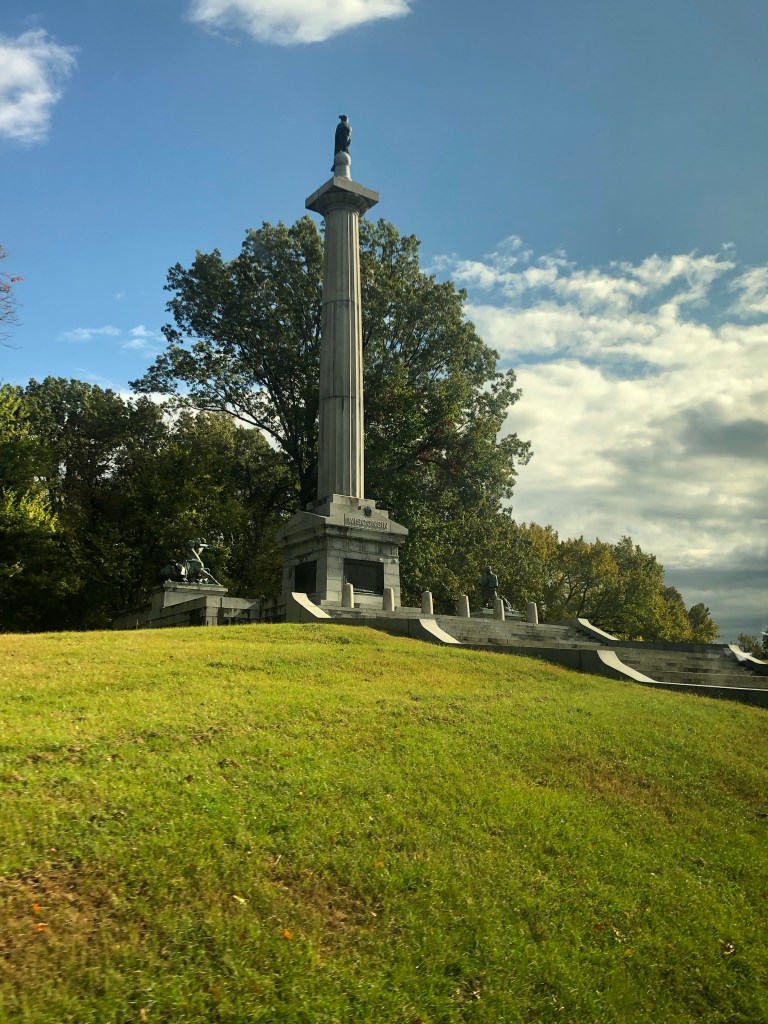

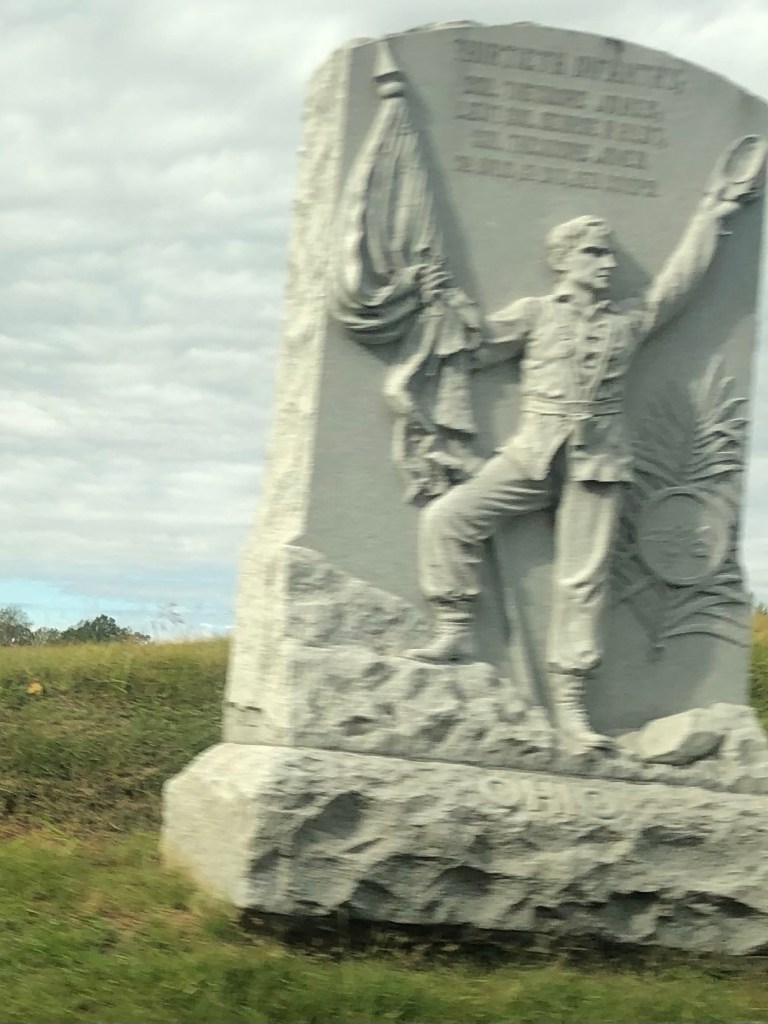
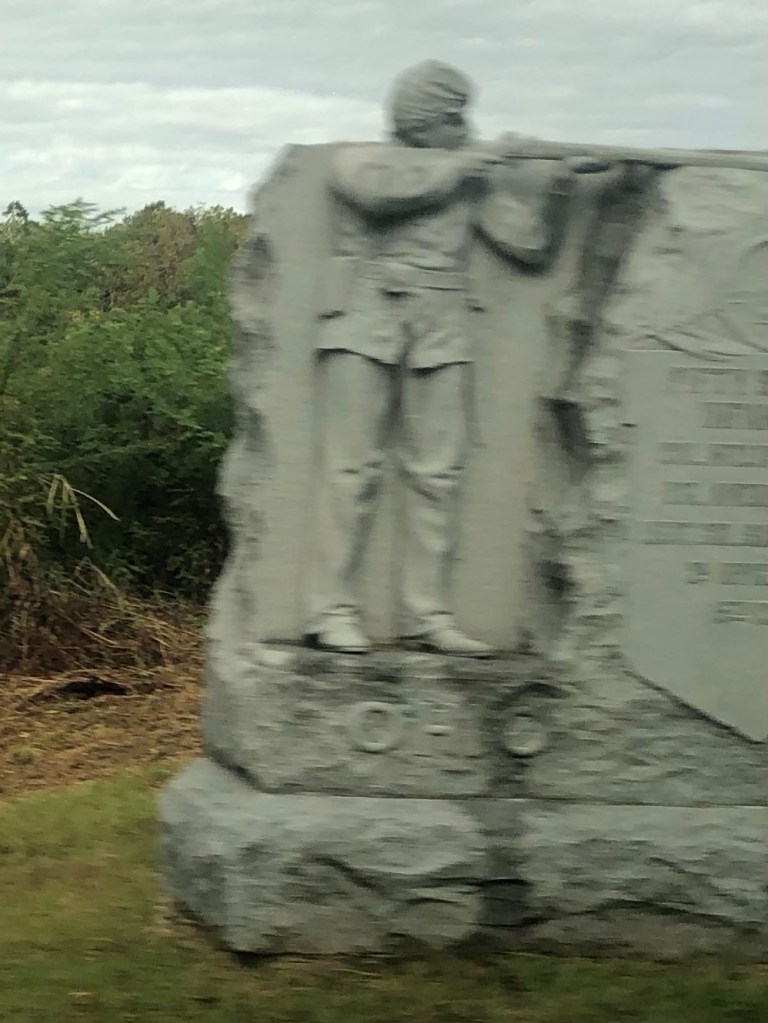

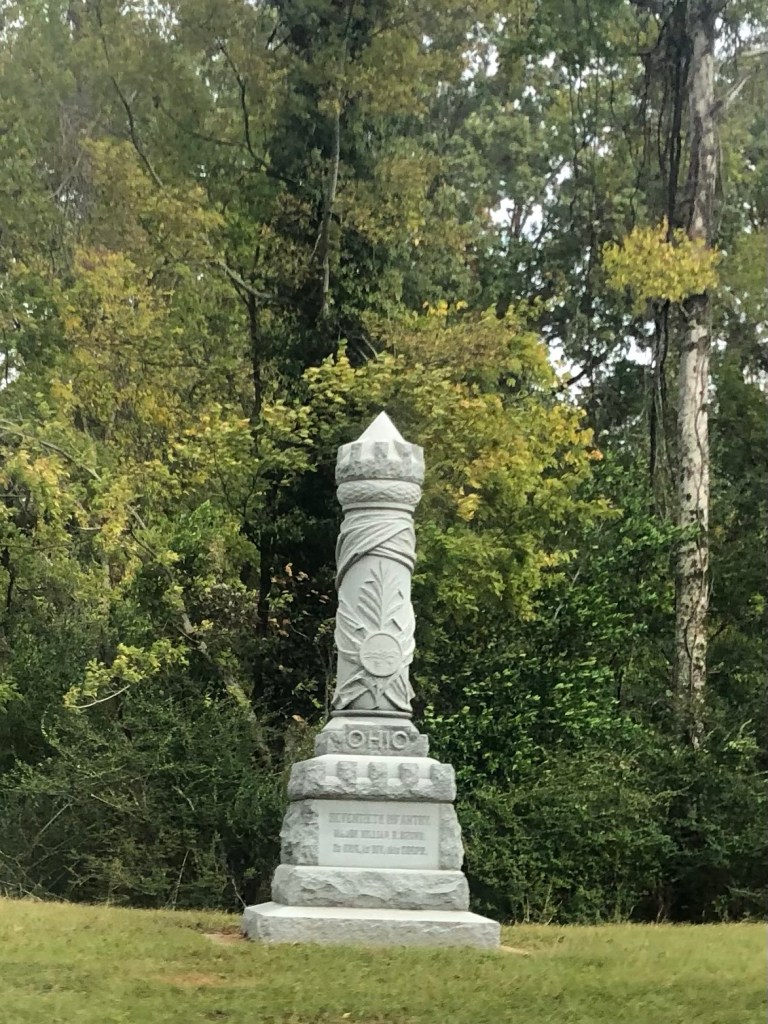

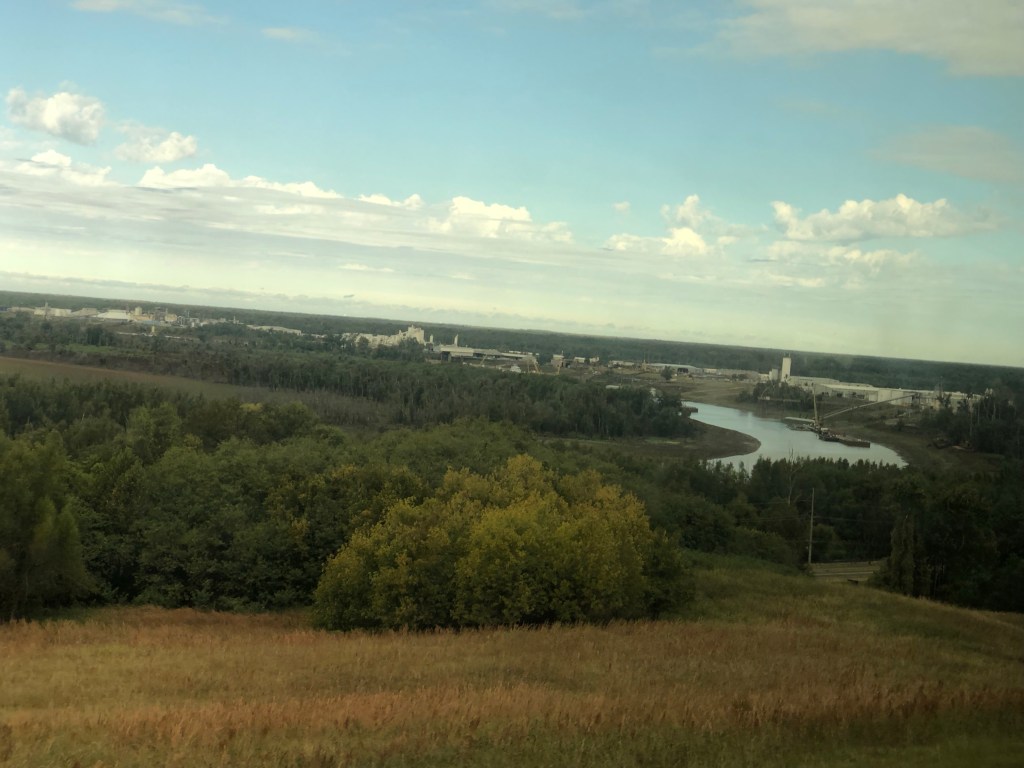
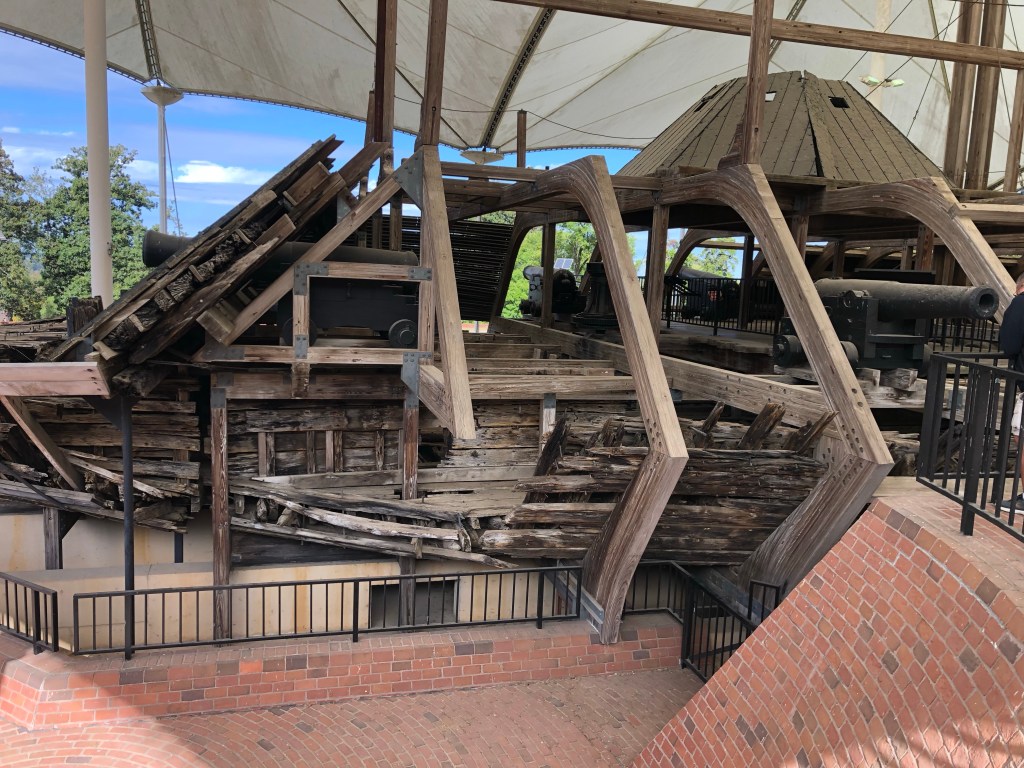
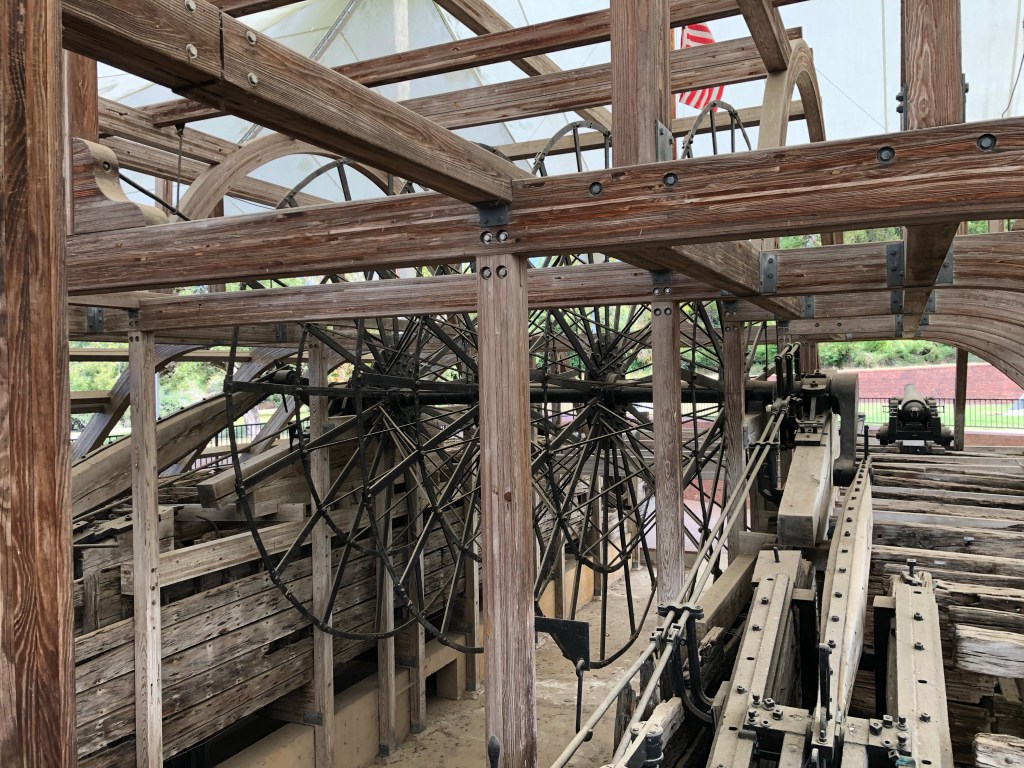
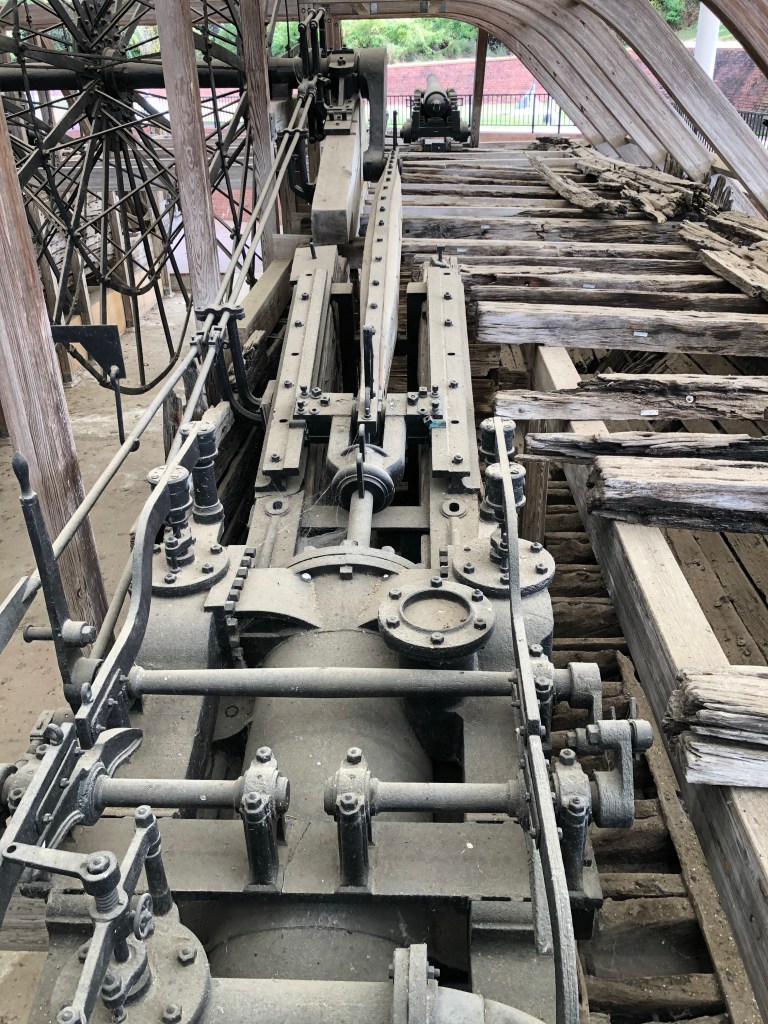
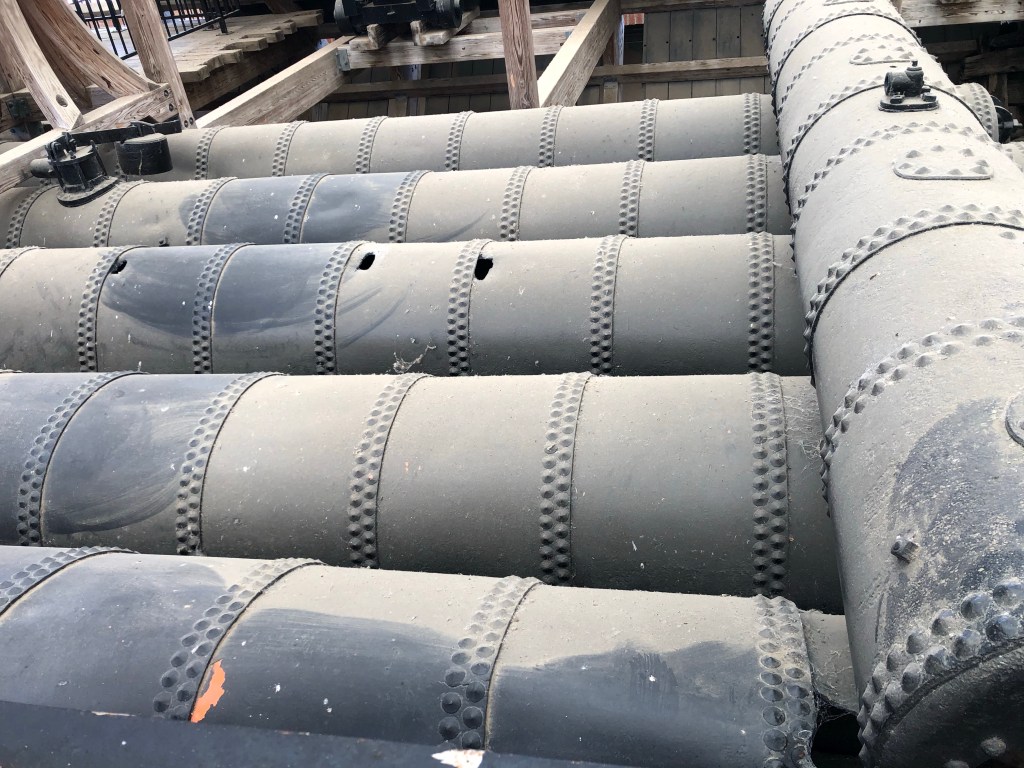
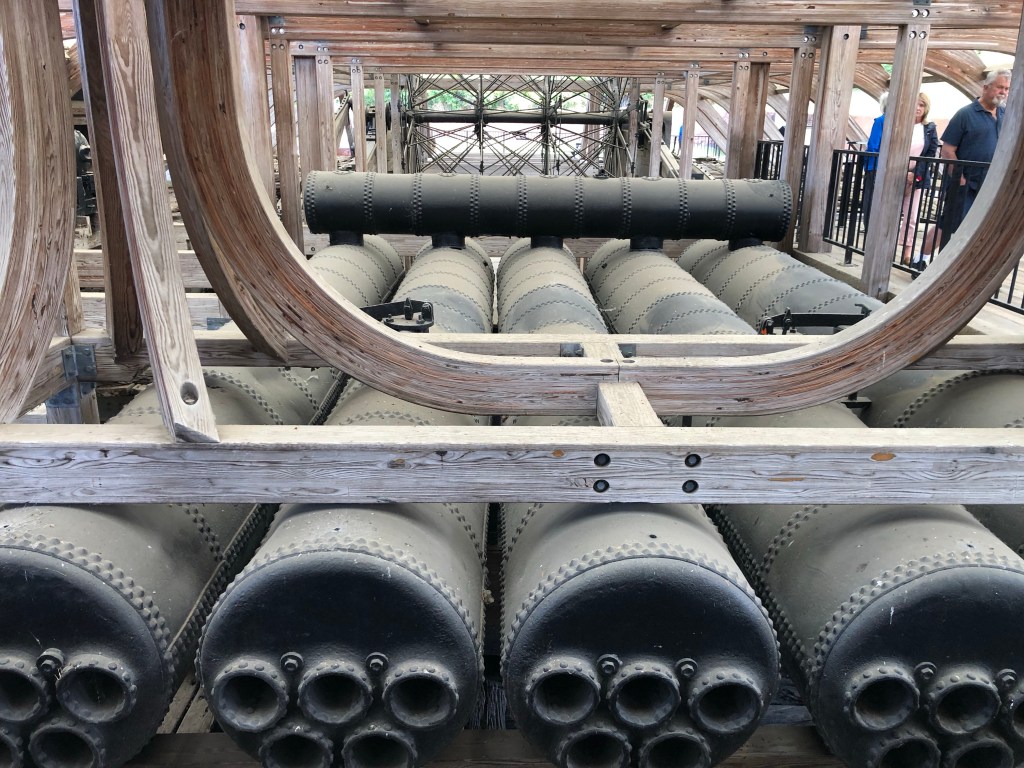
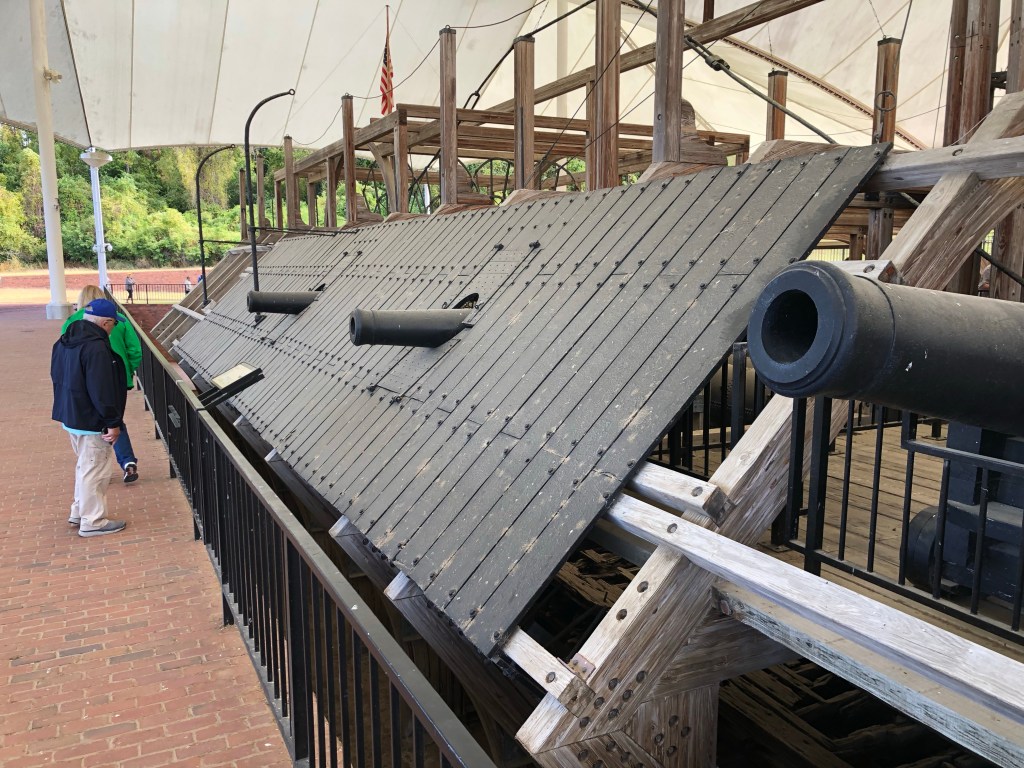
The park includes a museum for the Navy that fought at Vicksburg. The Navy played a critical role by getting supplies to the Union army under cover of darkness when the army first moved into position around Vicksburg. The ironclad Union ships were also used in the bombardment of Vicksburg from the river. The museum includes a display of the USS Cairo, an ironclad ship sunk by mines. The remains of the ship have been recovered and put on display in front of the museum building.


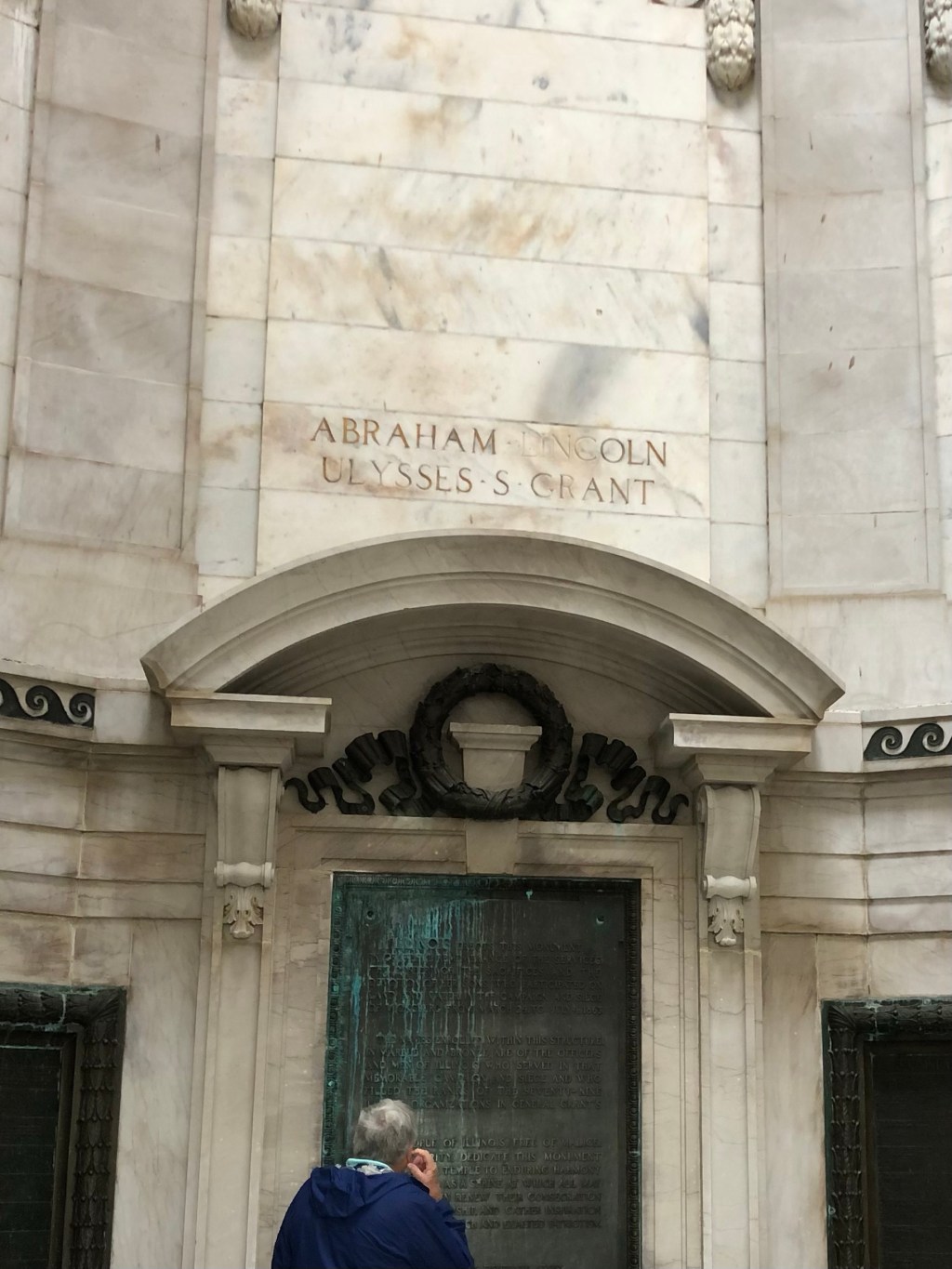
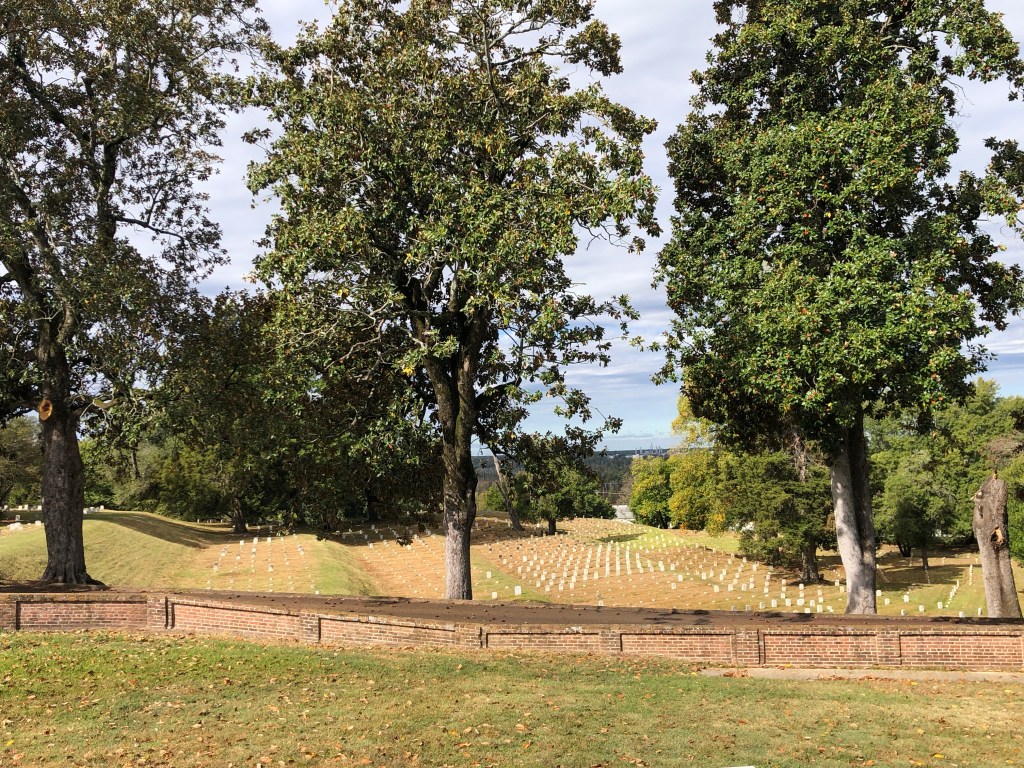
The park also contains a cemetery where seventeen thousand Union soldiers are buried. This is the country’s largest military burial ground. Confederate soldiers are buried at cemeteries within the town.

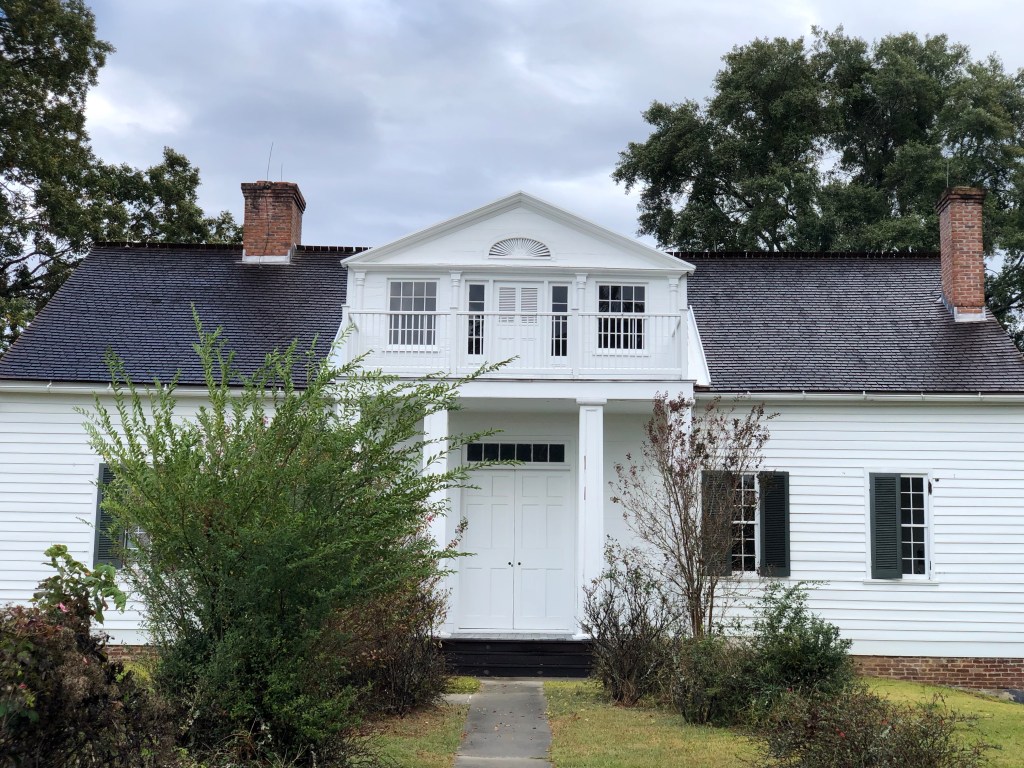
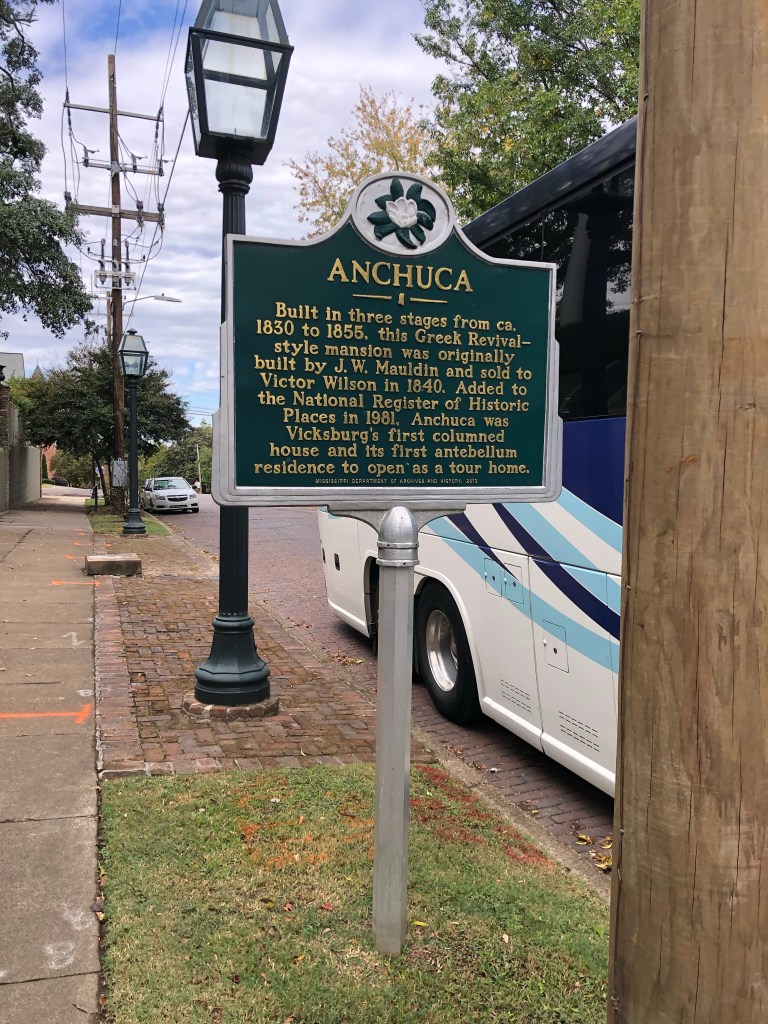
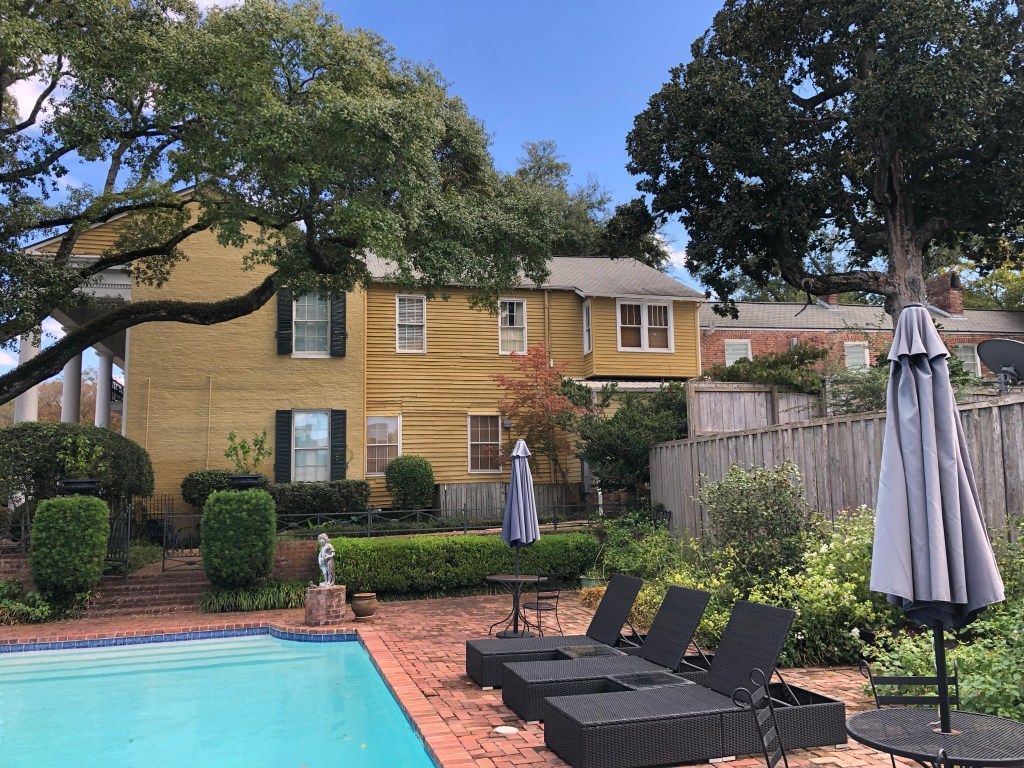
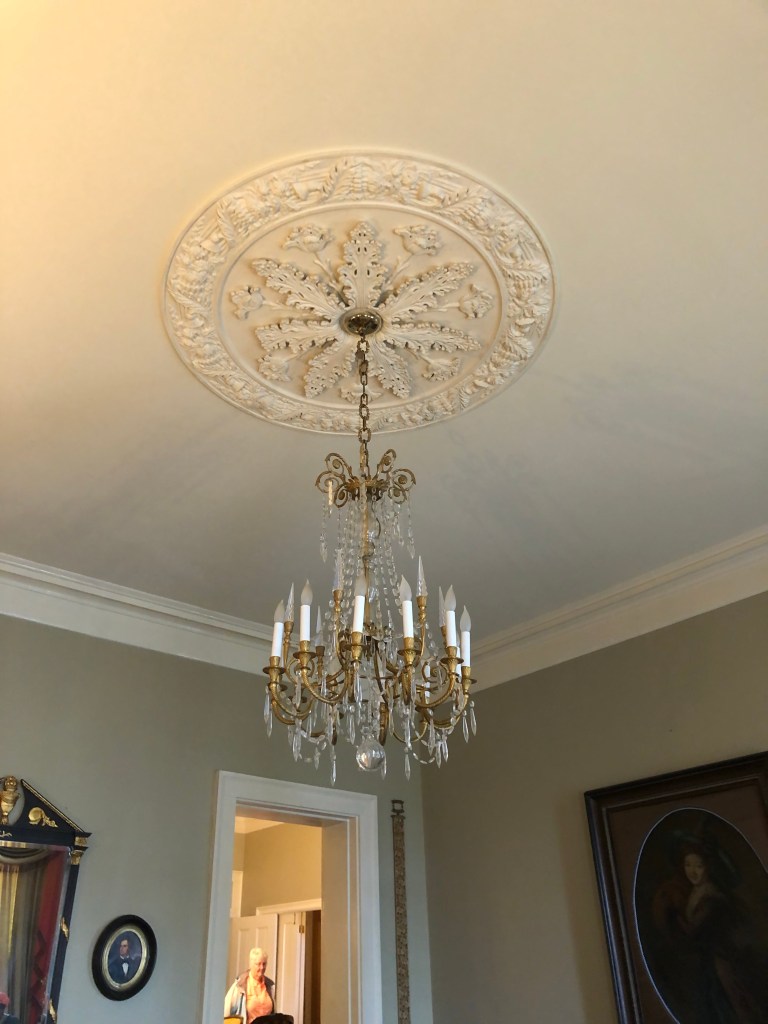
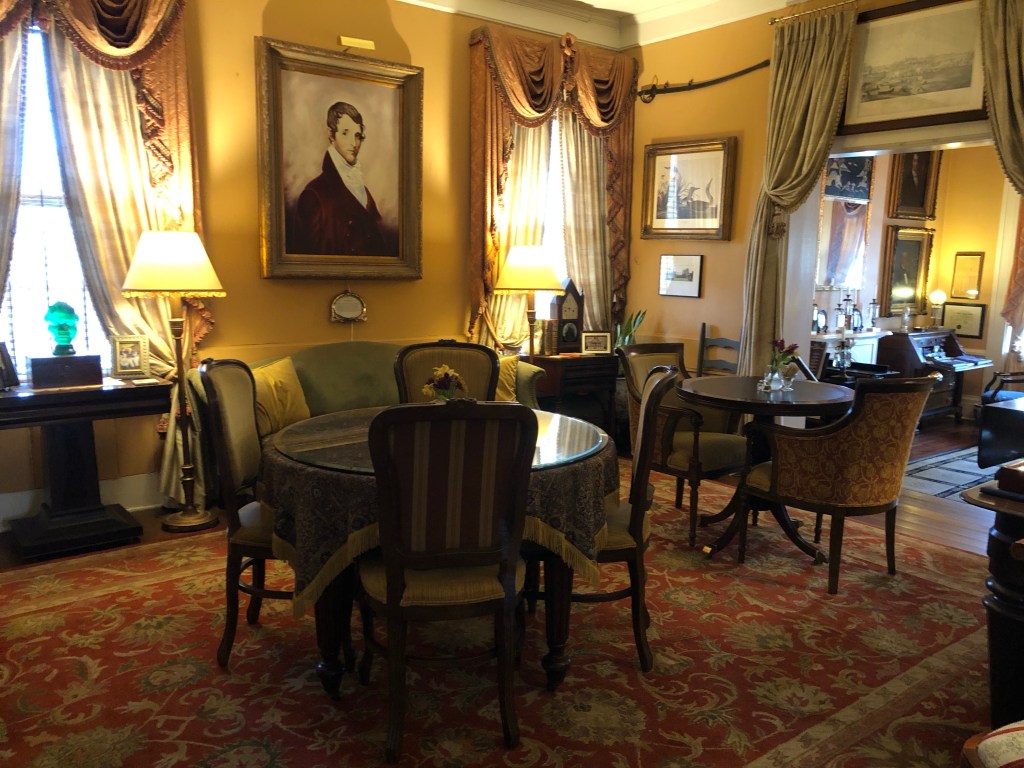
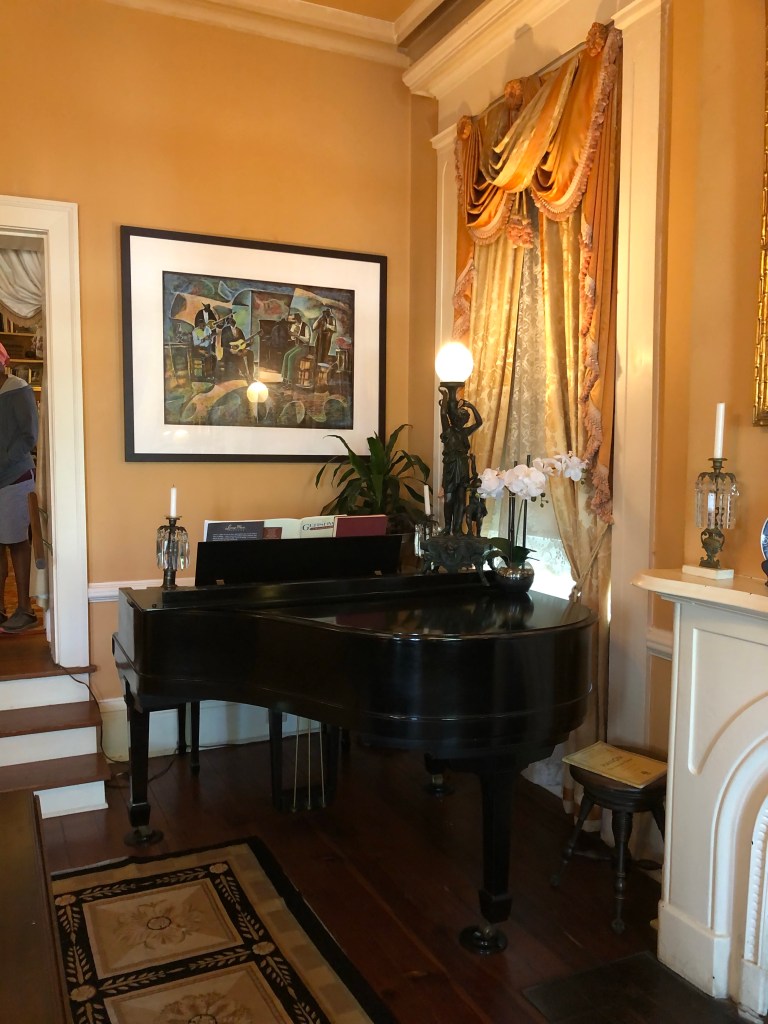
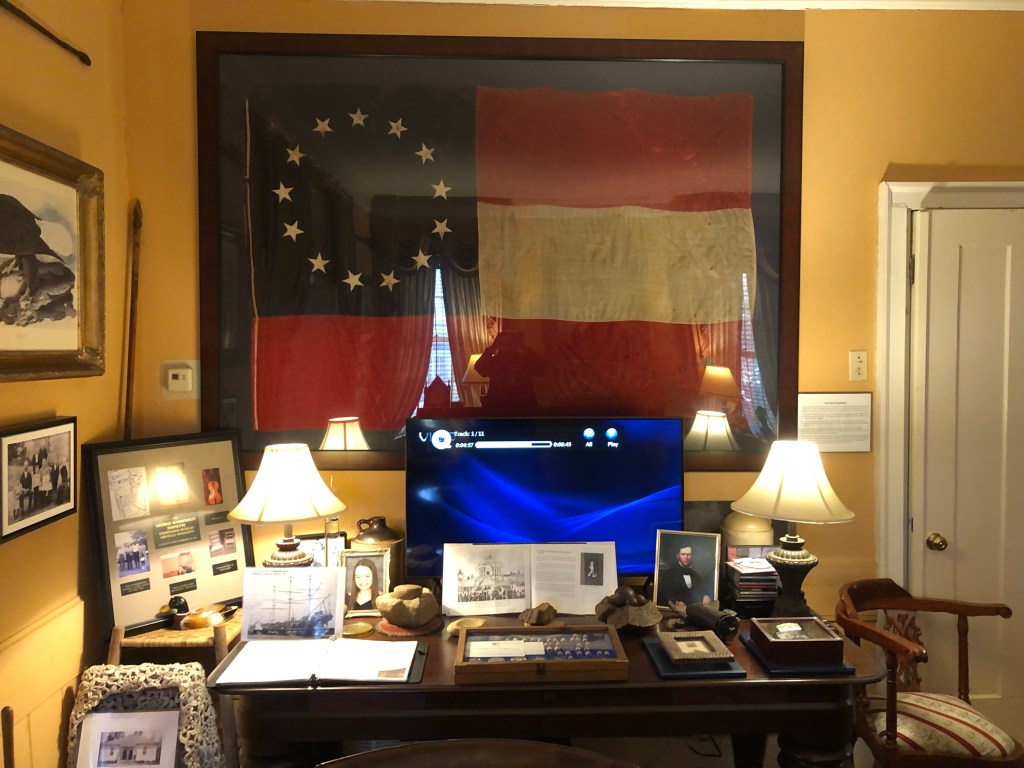
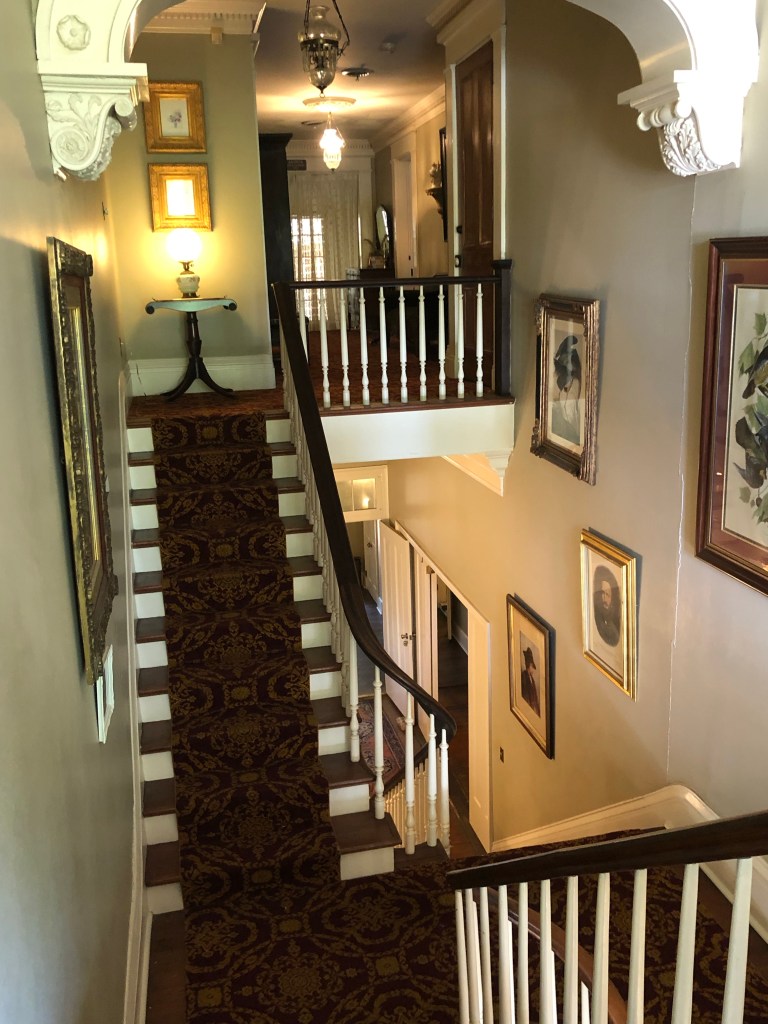
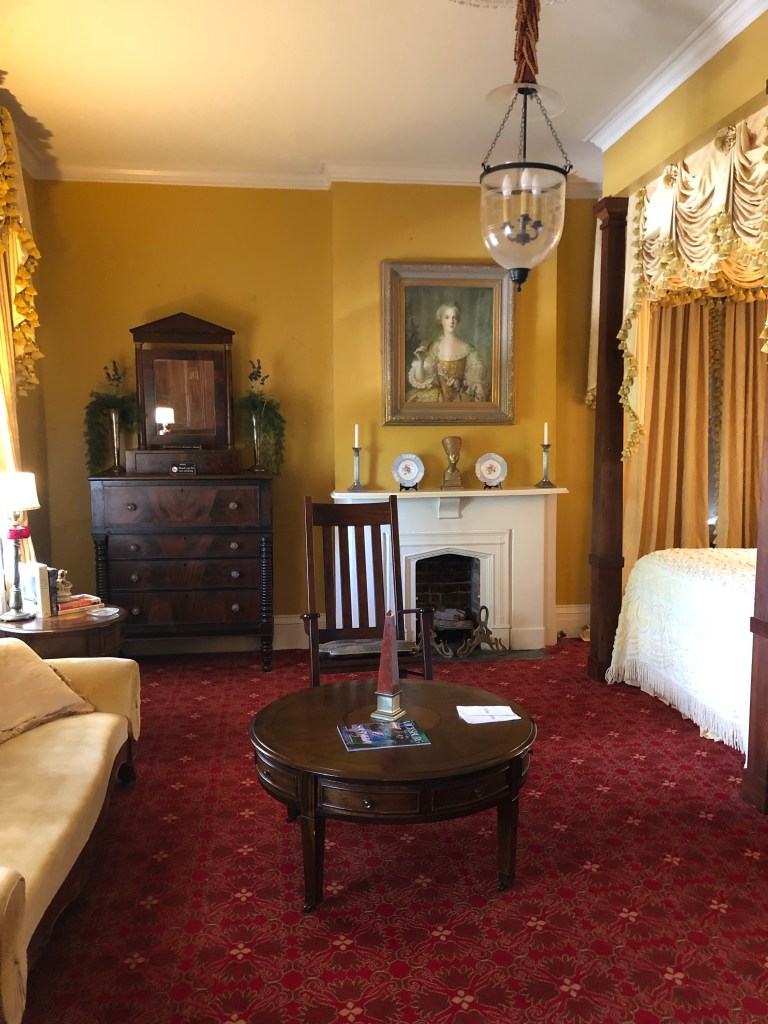
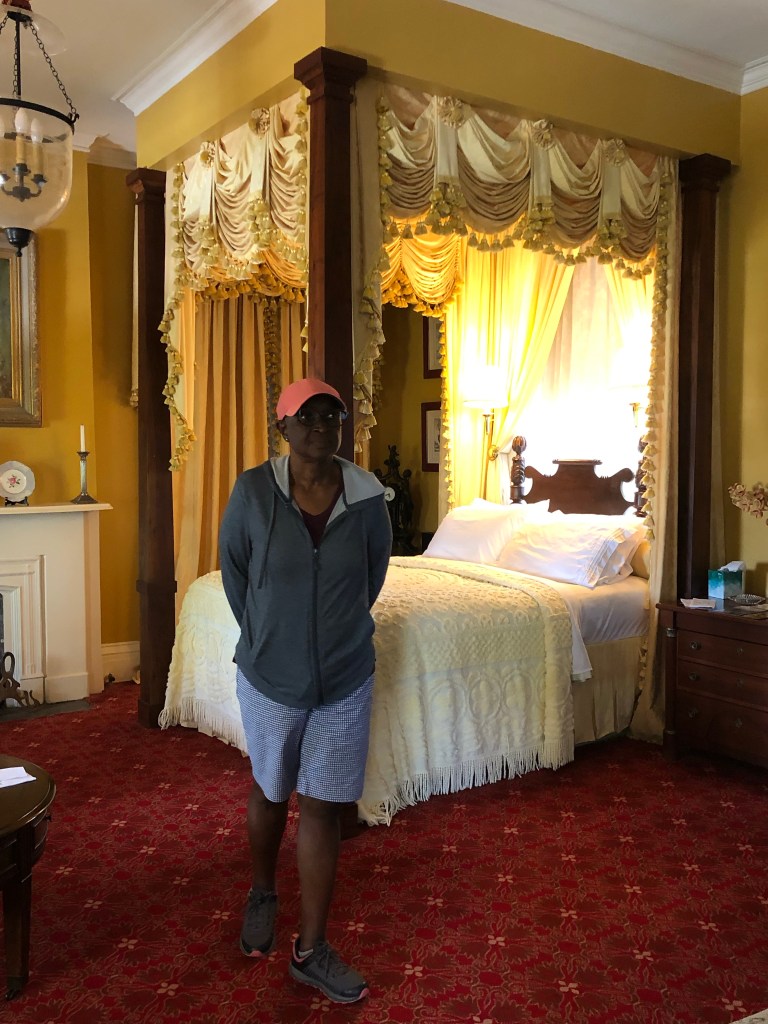
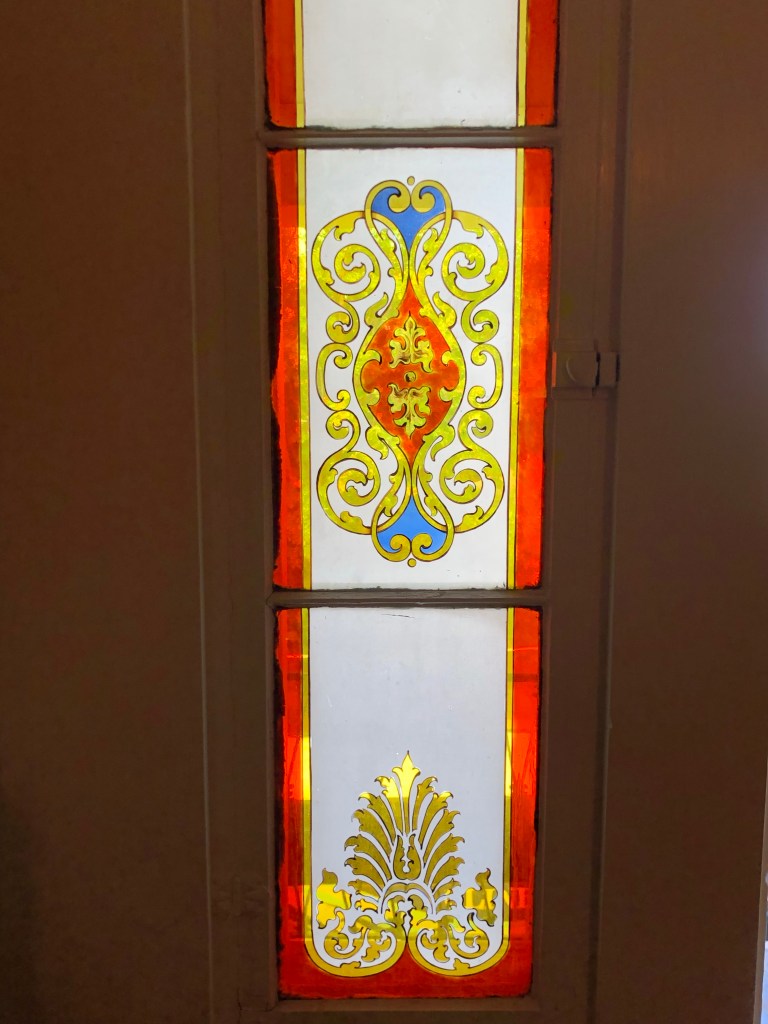
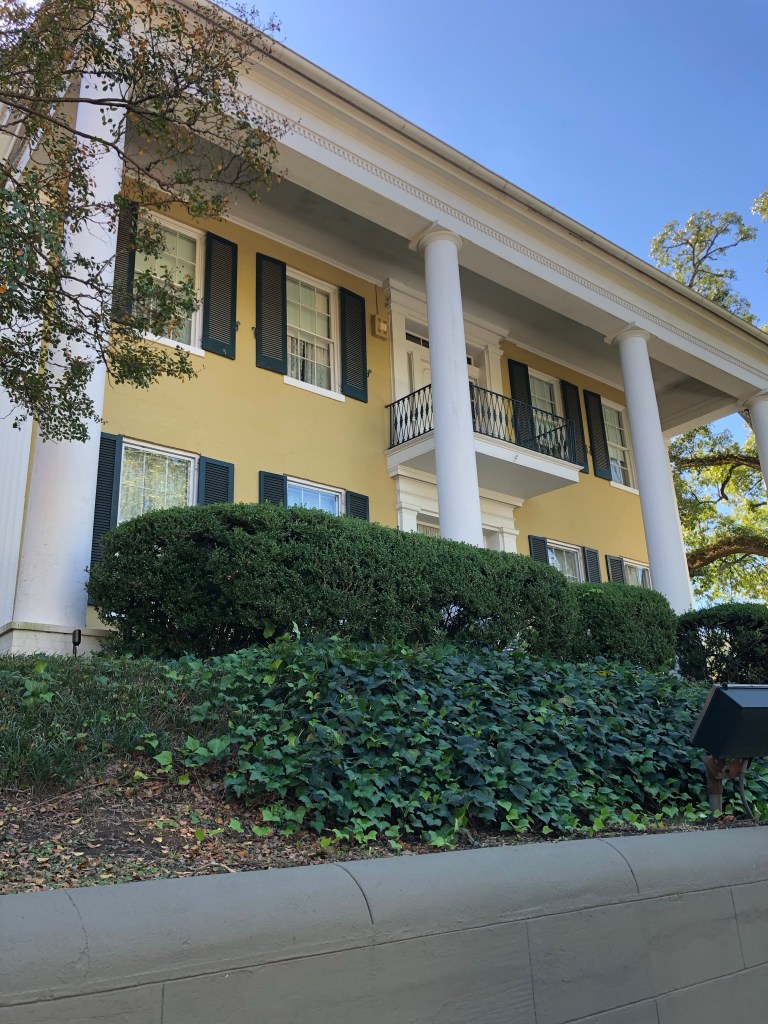
After our visit to the battlefield park and museums we went to a restored antebellum mansion for lunch and a tour. Many of our traveling companions agreed this was one of the nicest meals we had on the tour. The mansion is called Anchuca and is now a bed and breakfast in addition to being a lovely restaurant and tour location.





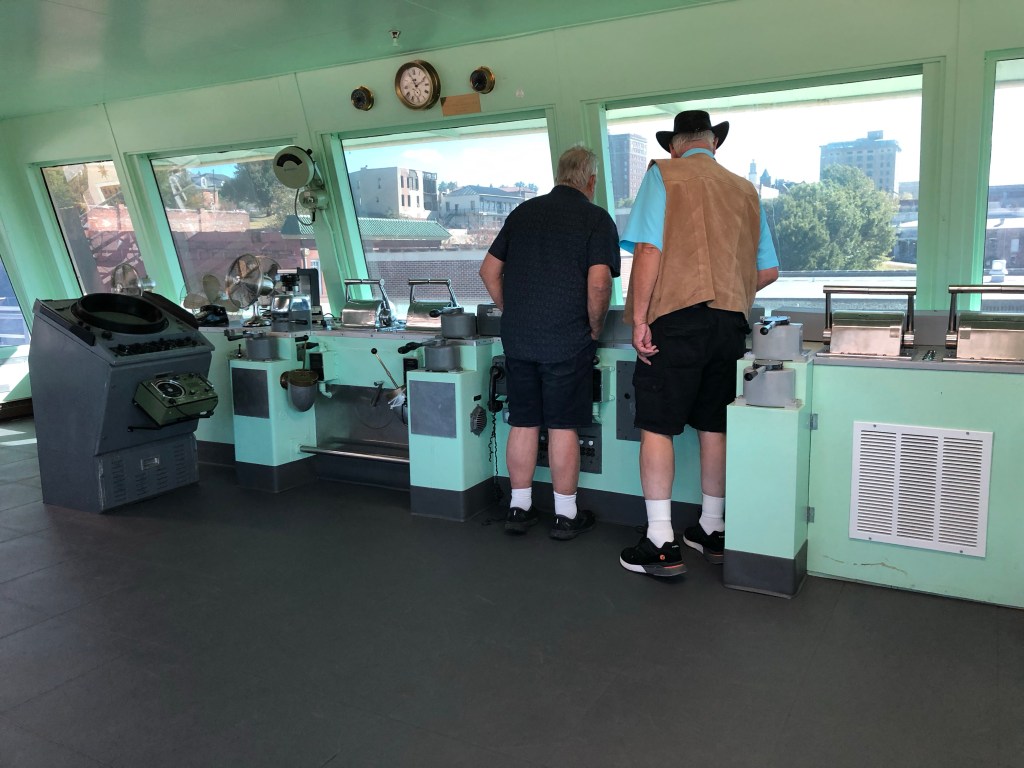
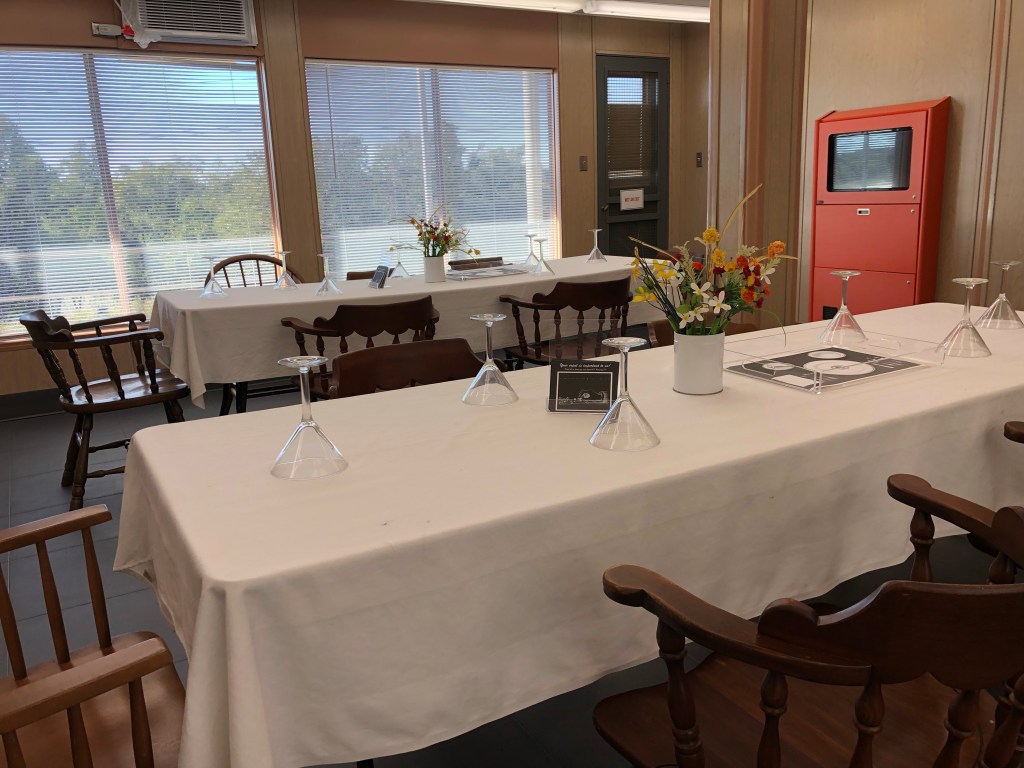
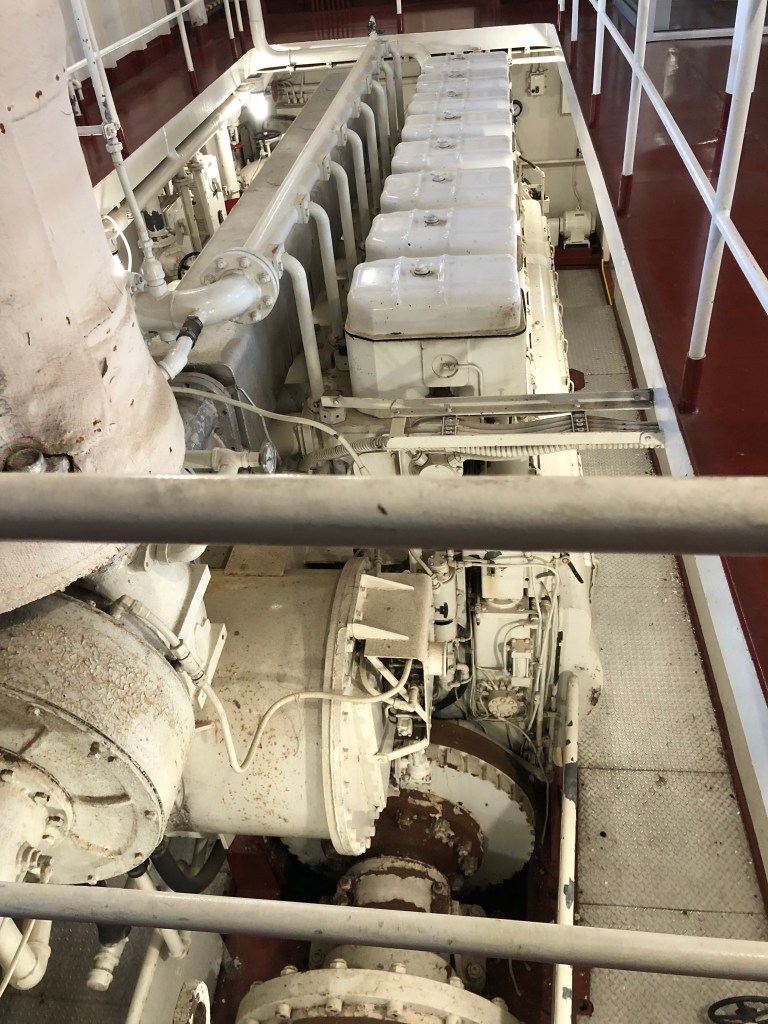
Next stop: the Lower Mississippi River Museum. There are quite a few museums and related exhibits focusing on the Mississippi and its surroundings, and we have already visited quite a few of them. This one features a former Army Corps of Engineers workboat, the M/V Mississippi IV. We were able to go on board the ship and get an idea of what it was like to work and travel on it. The ship was decommissioned in 1993.

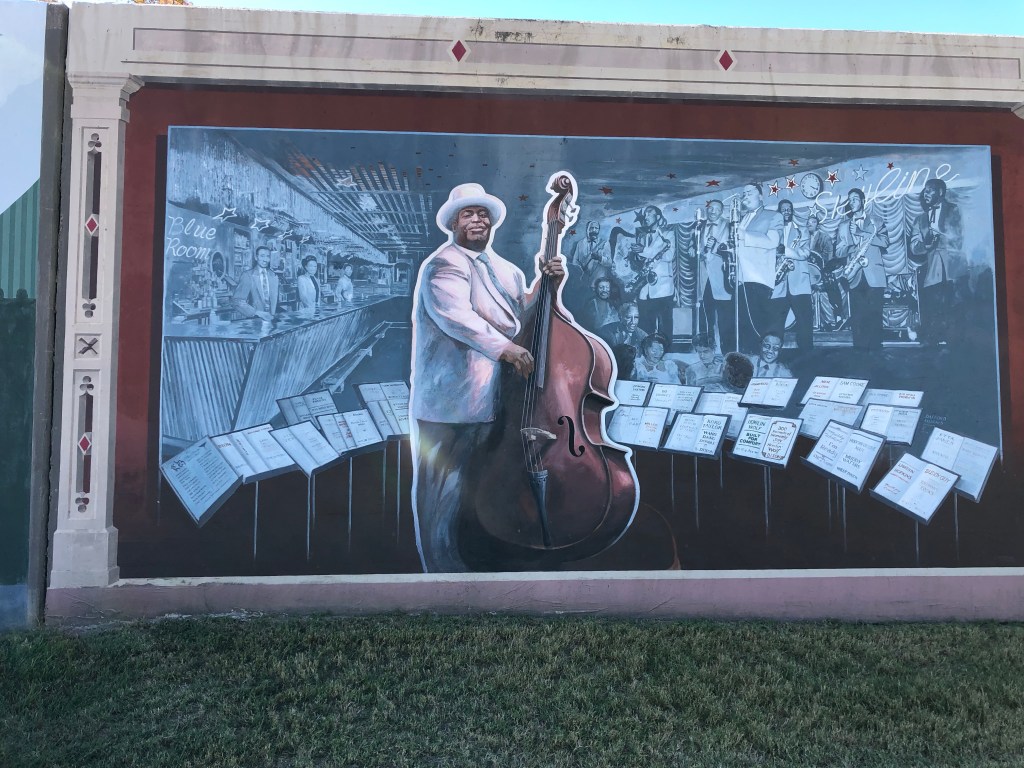
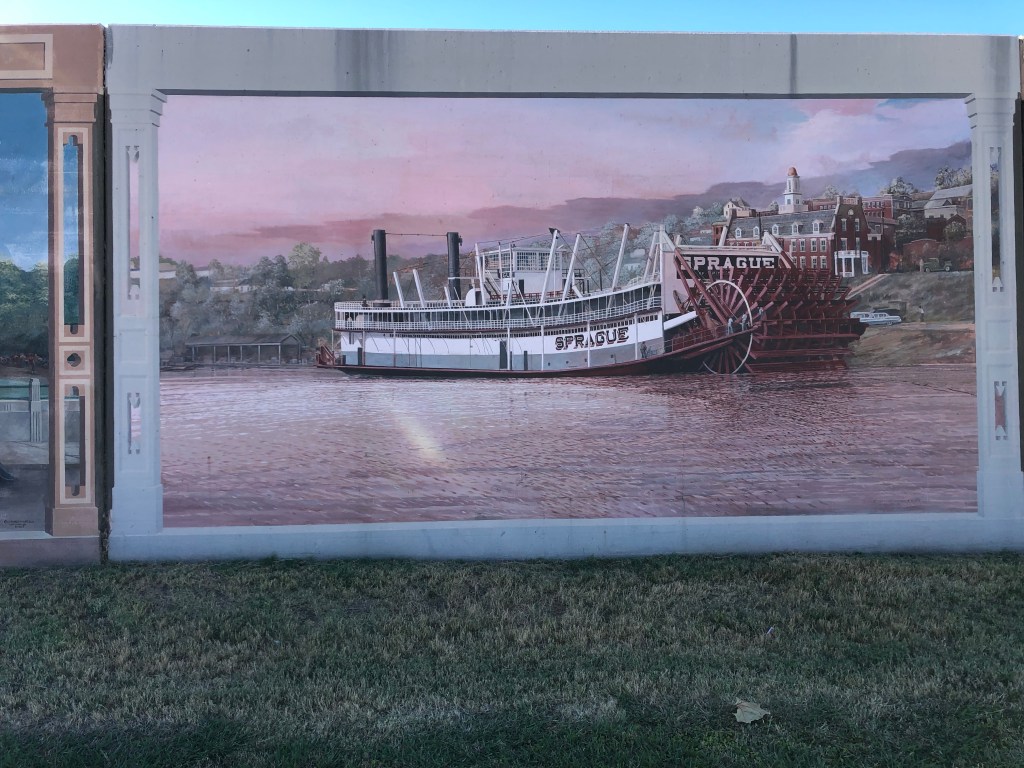
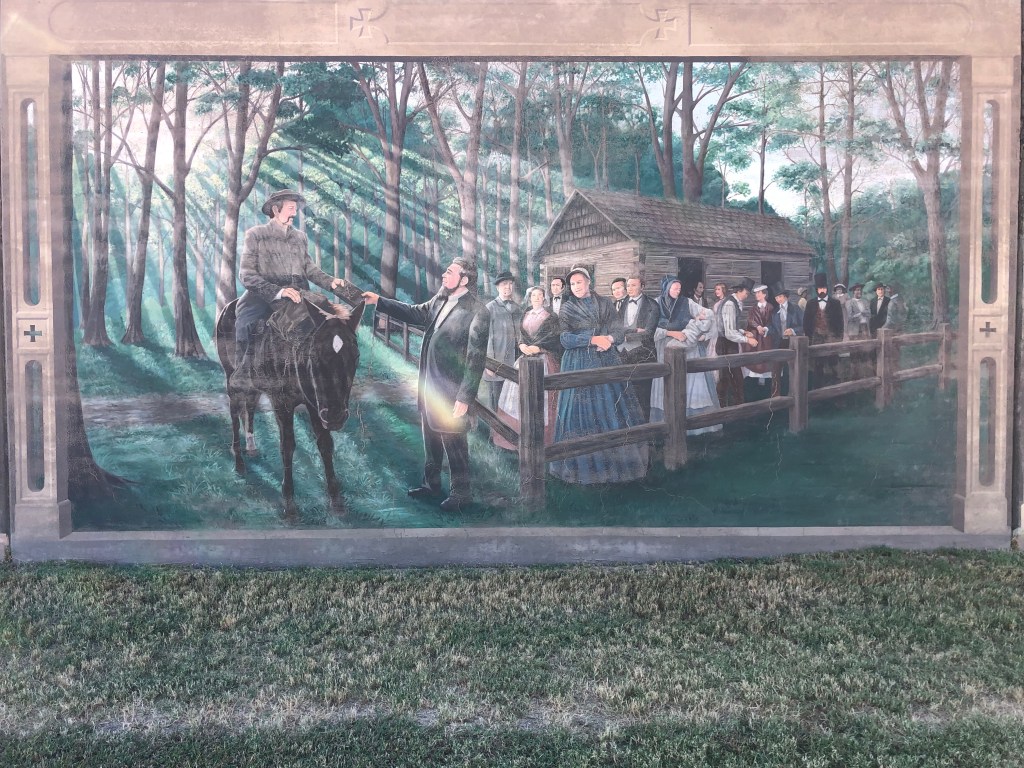
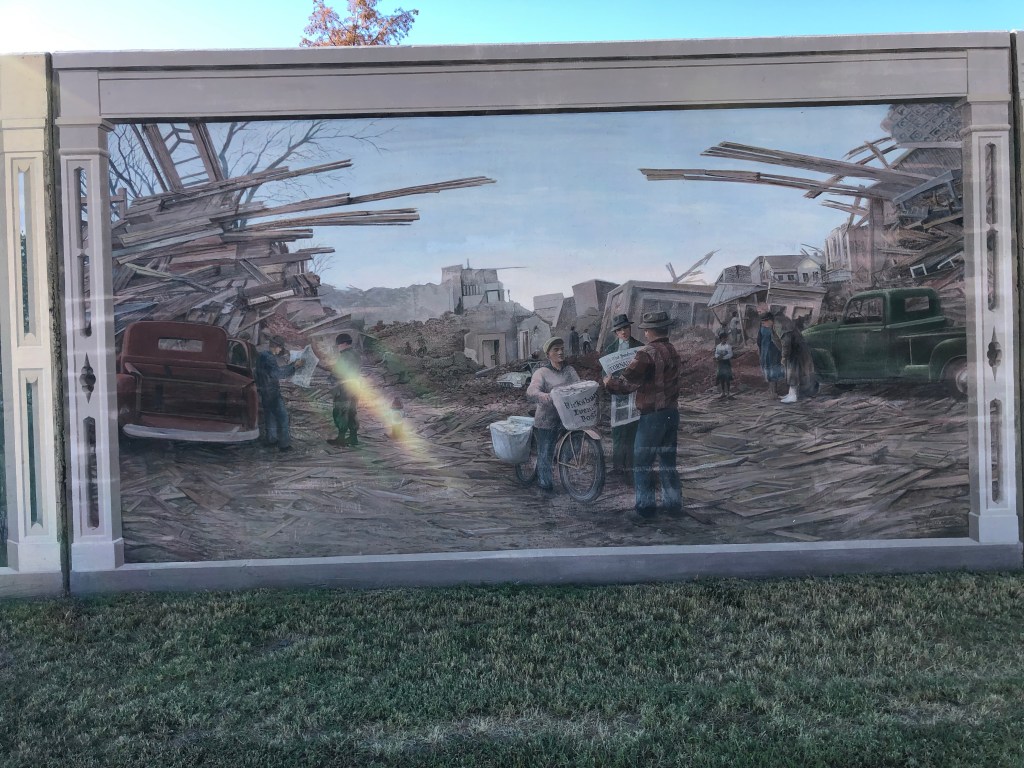
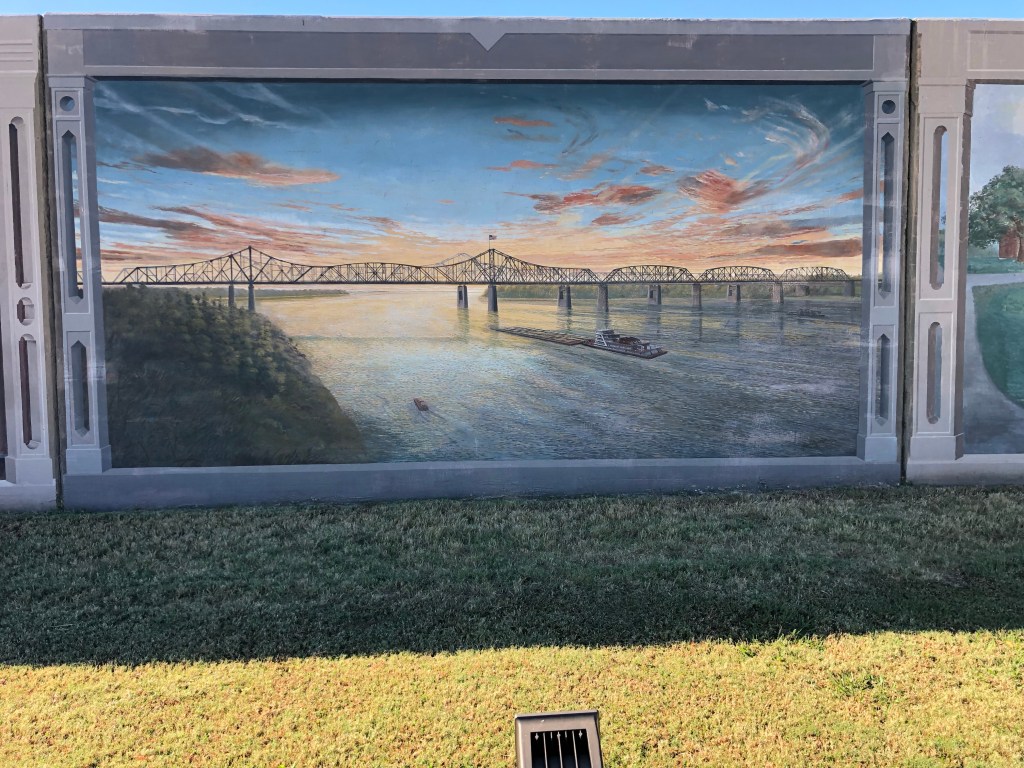
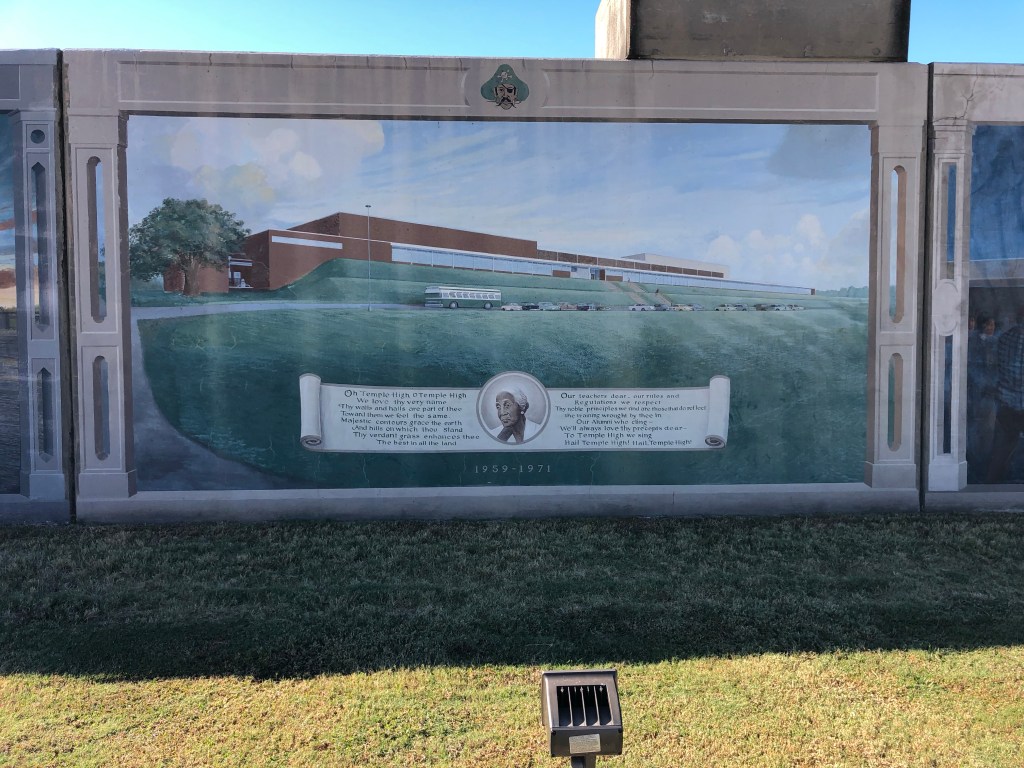
We made one more stop before we headed back to our campground. Vicksburg has a display of 32 murals painted on the floodwall of the Yazoo Diversion Canal. Each mural is sponsored by a different Vicksburg civic group, professional group, ad hoc group, or individual. All were painted by the same artist, Robert Dafford. Subjects for the murals were chosen by the sponsors. They represent a wide range and scope of Vicksburg community history. Here are a few selections:
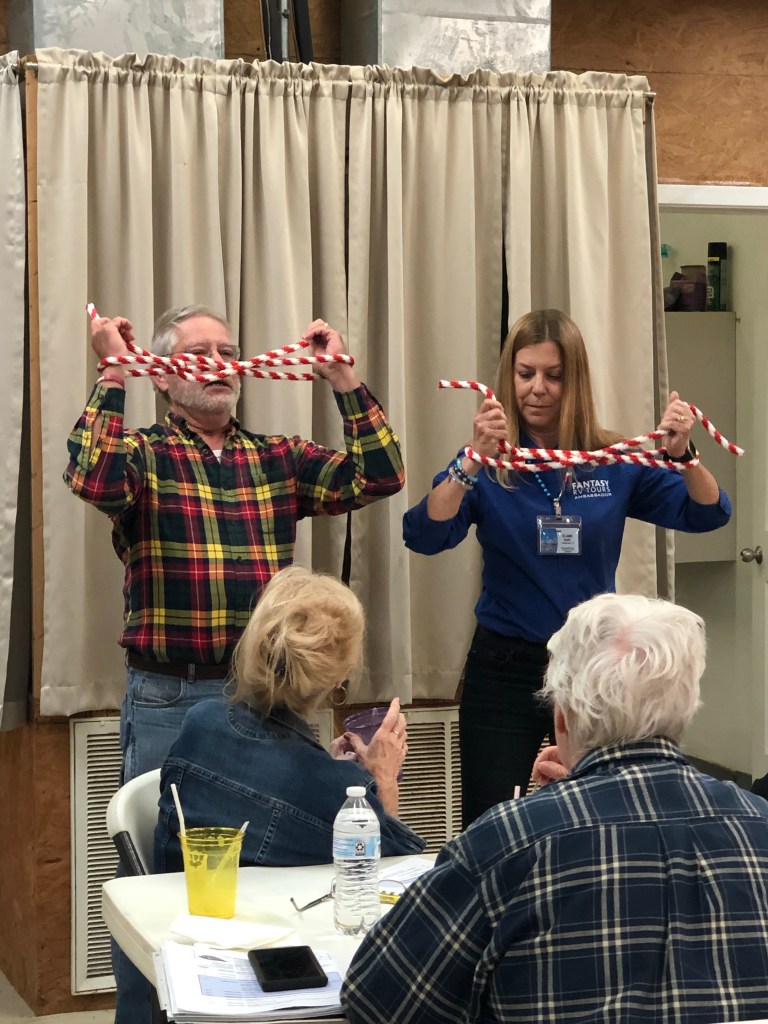
The evening before every travel day on the tour we had a travel meeting. The Wagonmasters and Tailgunners walked us through the next day’s route and provided tips about managing our rigs. Sometimes we had dinner or dessert provided by the staff as part of these meetings. Today Dave Moore, one of our fellow travelers, shared a couple of party tricks. Here he shows Elaine Burt, one of our Tailgunners, how to tie a knot with a fancy two-armed maneuver.
 Wanda Free
Leave a comment