
On October 11 we were introduced to the Amana Colonies. These seven little villages and the 26,000 acres of land surrounding them have a very unique position in the history of American immigration.
Amana means “faithful” or “true”. It was a name chosen by a group of German Lutherans who broke away from the church in 1714 because of their belief in the possibility of direct inspiration through the Holy Spirit. The group was, of course, persecuted for their beliefs. They were able to live peacefully for a time in central Germany, but worsening economic conditions and increased persecution eventually forced them to look elsewhere for a safe and permanent home. In 1843-44, community members pooled their resources and purchased 5,000 acres near Buffalo, NY. Eventually the group needed more farmland to support their growing numbers. Good farmland was available at an attractive price in Iowa, and so the group sent representatives there to find a suitable home for the growing colony. The representatives decided on a tract of 26,000 acres in eastern Iowa and purchased the property on behalf of the community. In 1855, the community relocated to Iowa.
Community members settled in six villages, and eventually purchased a seventh, Homestead, which gave them access to the railroad. They lived a completely communal life for a while. Ownership of all property was relegated to the church. There were 55 communal kitchens that fed everyone, farm work was divided among the male community members, and women worked in the kitchens, raised and schooled the children,and tended the kitchen gardens. Special skills, such as medicine and shop trades, were assigned to community members with aptitude by church leaders. Any needed training was paid for with community funds.
The communal way of life gave the community roots and a good foundation during its early years. However, the community did not believe in separating itself from the rest of society. Continued exposure to the possibilities of life beyond the community created a restlessness in succeeding generations. Finally, the economic pressures of the Great Depression, in addition to a disastrous fire that destroyed the woolen mill, caused the community to change its foundational structure. Residences were granted as private property to individuals and families. The Amana Society was formed as a corporation that owns the 26,000 acres and manages them, along with many facilities and functions that benefit the community as a whole. As property is sold, people from outside the community have purchased homes within the seven villages. Yet, the unique character of the villages remains.
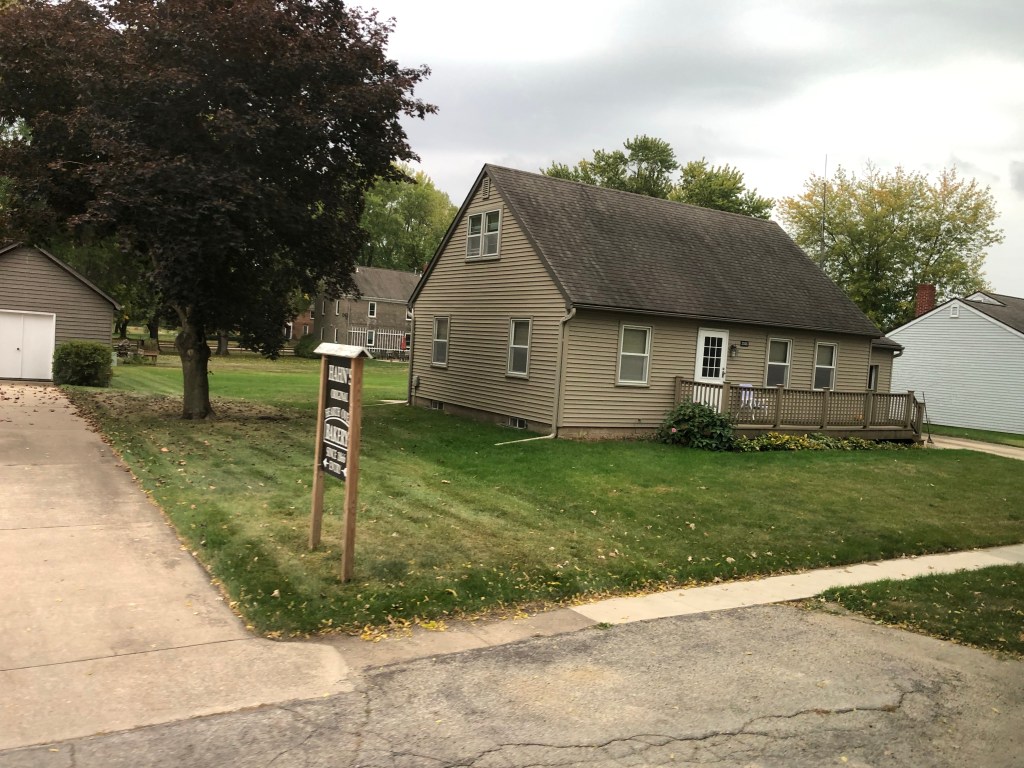
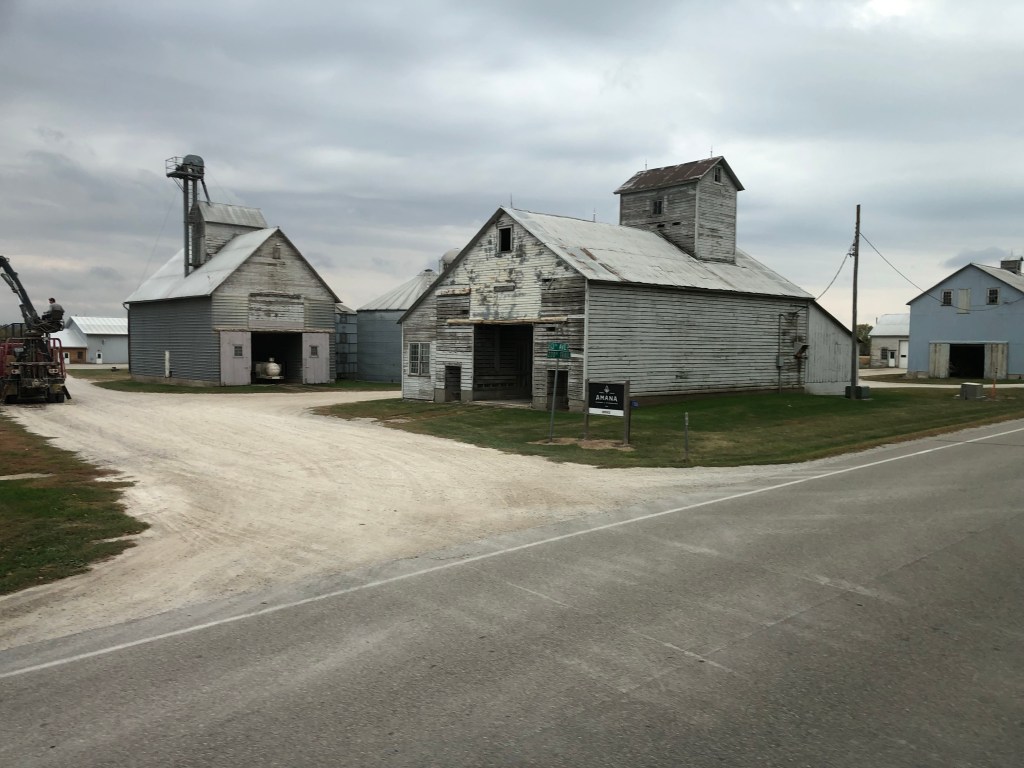
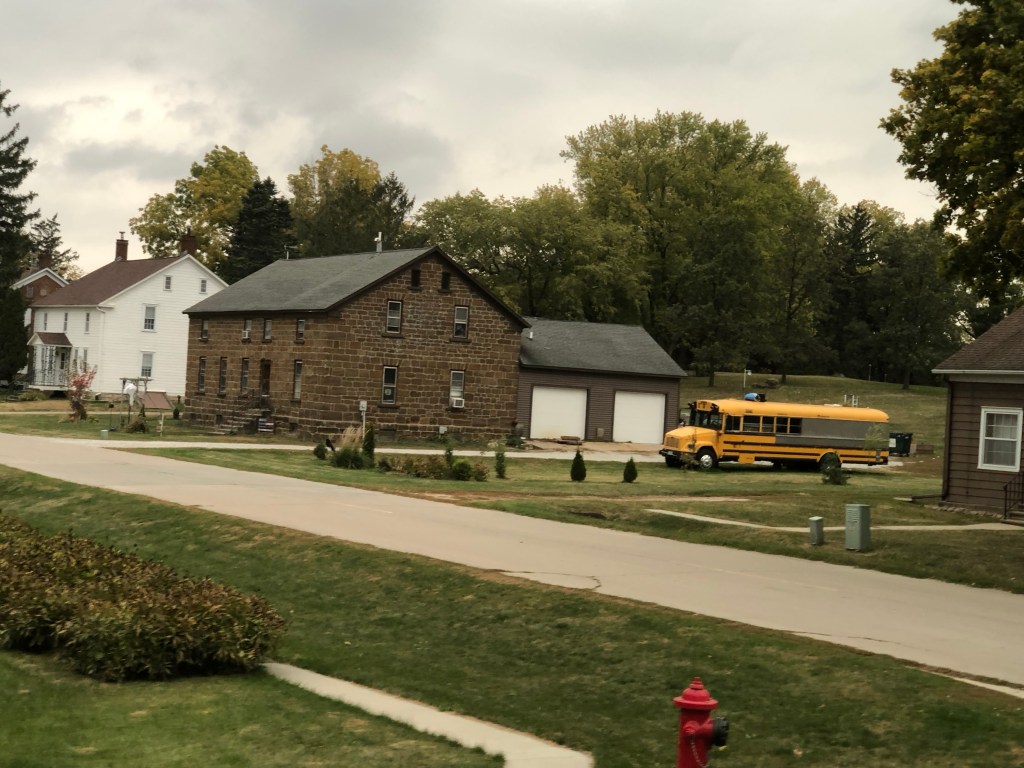
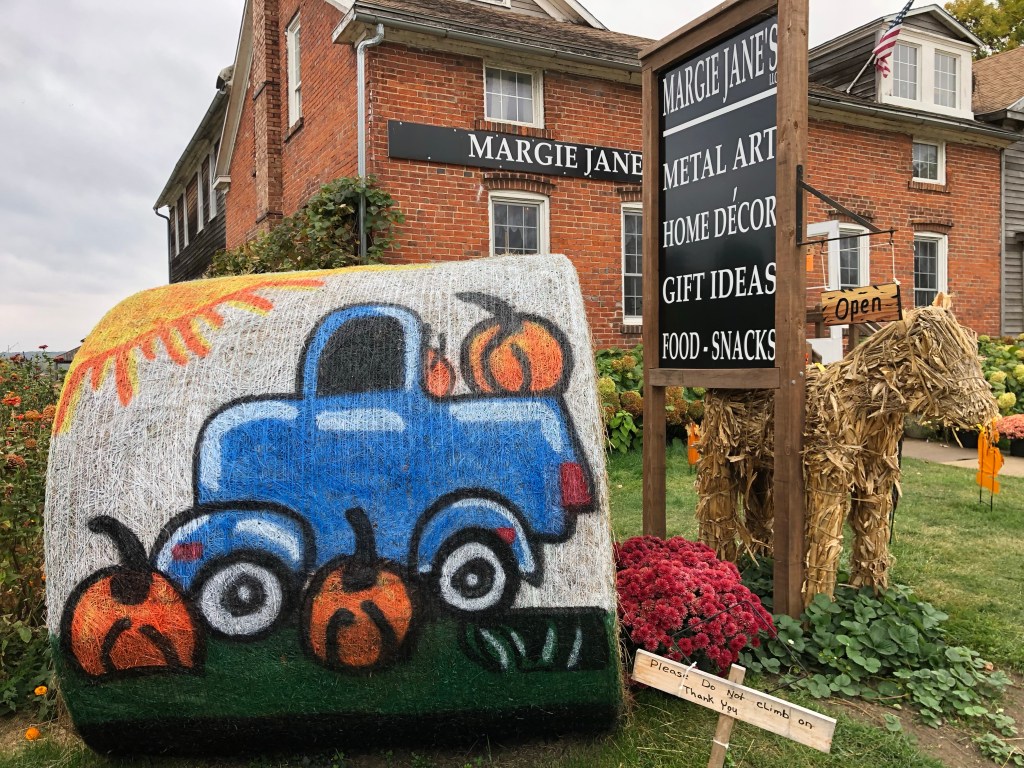
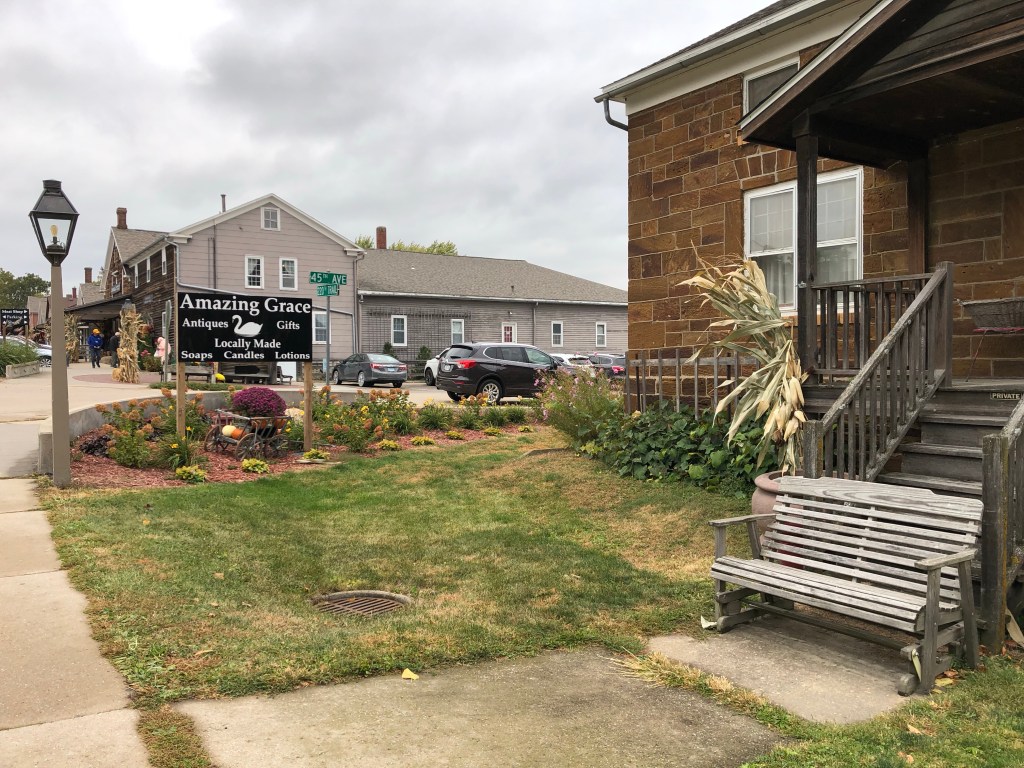
Visiting Amana today is a mix of American and German experiences. The villages are laid out in German style, with a distinct village center, individual homes clustered around the center, and extensive farmland and forests surrounding the residential areas. The architecture is primarily American with some European influences. Buildings are constructed mostly of wood, although locally-available sandstone and locally-manufactured brick were used often in early structures. Villagers still follow European-rooted farming practices, crafts, and food preparation and preservation.
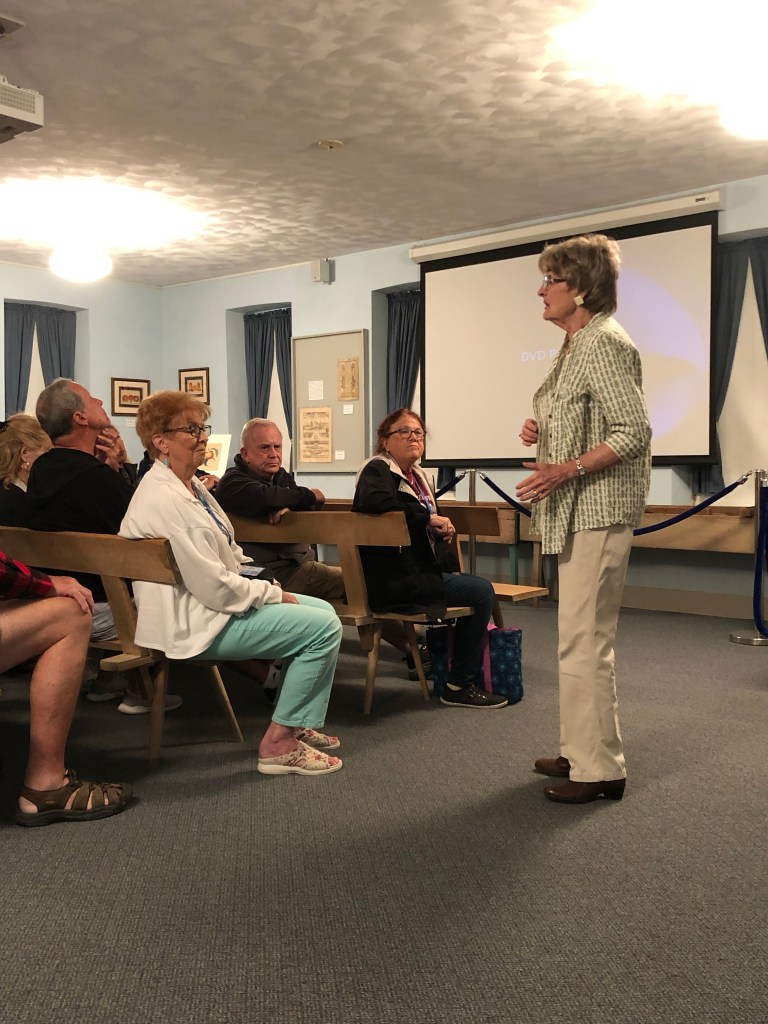
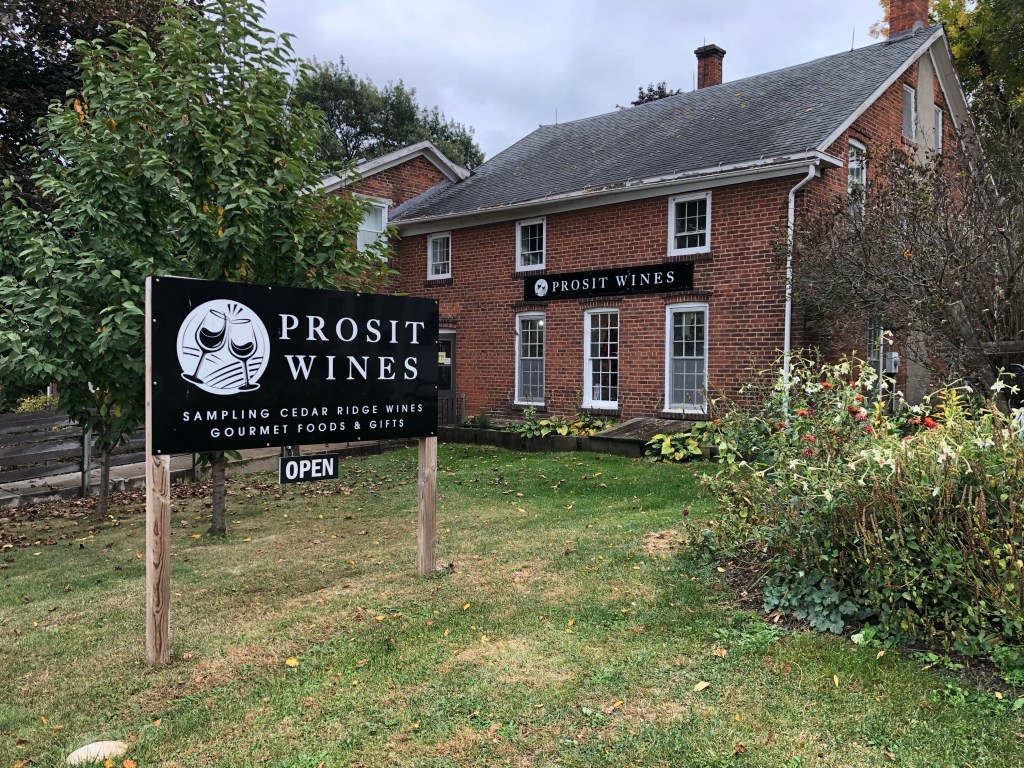
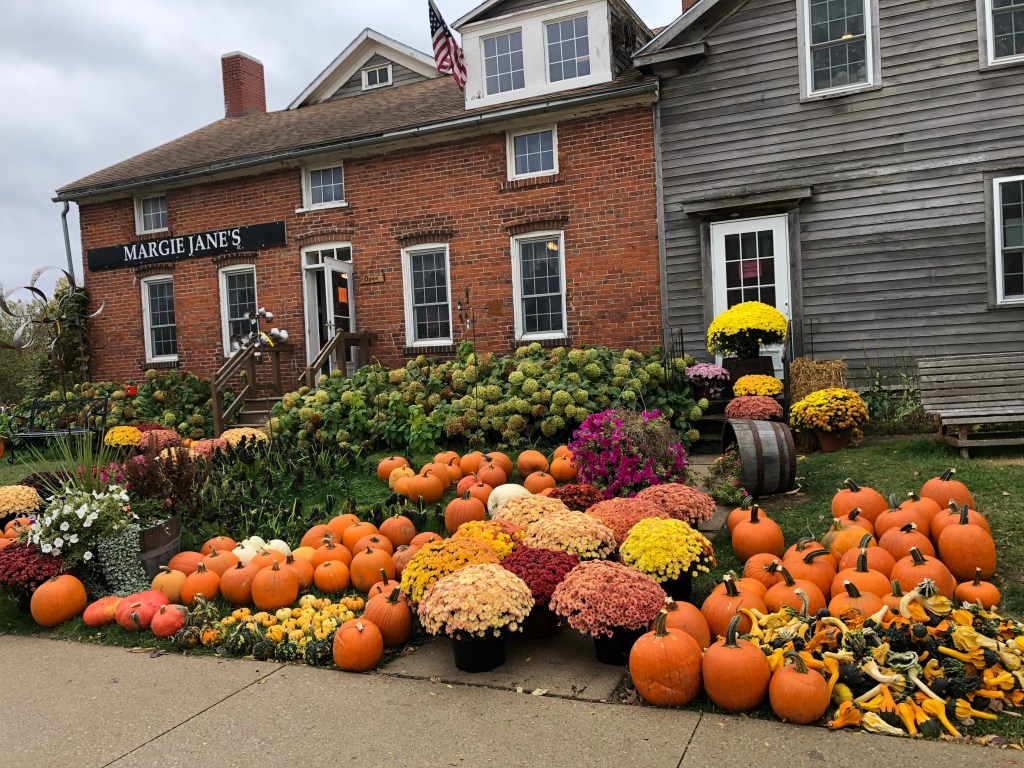
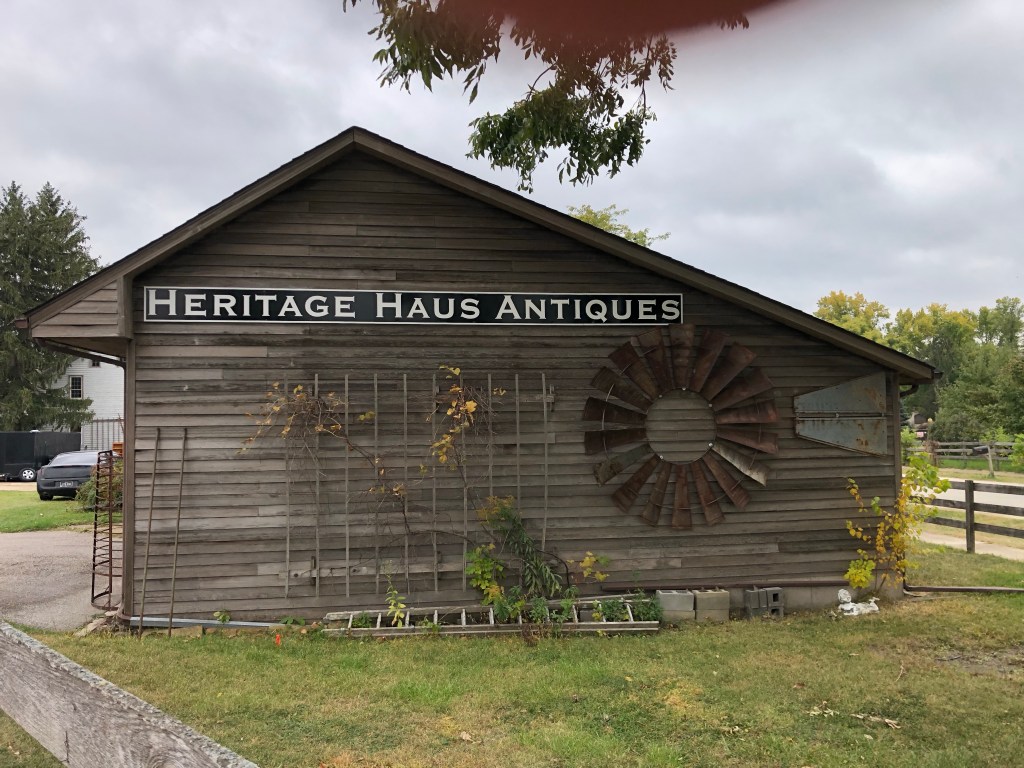
Our visit to Amana included an introduction with a short video that gave us a history of the Colonies; a guided tour with a community member; shopping among the village shops (the four wineries and the chocolate shop were at the top of our list); and a family-style lunch with fried chicken, roast beef, ham, mashed potatoes, corn and salads – all delicious!

By the way, if the name “Amana” seems familiar to you, think of appliances. A member of the colonies founded the company in 1934, shortly after the change happened. For years Amana was known for high-quality, innovative appliances and home heating and cooling equipment. The company was purchased by Whirlpool somewhere along the line. A factory within the colonies is still used to manufacture some of their products.


 Wanda Free
Leave a comment